

Key Takeaways
What Is Hyaluronic Acid? The Humectant Behind the Hype
Despite the name, hyaluronic acid isn't a harsh acid at all. Hyaluronic acid is a substance your body already produces in your skin, joints, and eyes: a sugar molecule (a glycosaminoglycan, if you like the chemistry) whose job is simple. Grab water and hold on to it, which is a big part of what keeps young skin plump and bouncy. Gram for gram, hyaluronic acid holds up to 1,000 times its weight in water, which is why it's the most famous hydrating ingredient in skin care.
Here's the catch. Your natural reserves drop as you age. By your 40s, skin holds noticeably less of it, which is one reason mature skin shows fine lines, rough skin texture, and that deflated look more readily. Collagen gets most of the blame for skin aging, but falling hyaluronic acid levels play a big part too, since well-hydrated skin keeps collagen-producing cells in a healthier environment. Hydration, in other words, is the quiet foundation of long-term skin health.
A topical hyaluronic acid serum tops up what time and weather take away. On ingredient lists you'll usually see it written as sodium hyaluronate, the salt form of the molecule. It's more stable and absorbs better than raw hyaluronic acid, so spotting it on a label is a good sign, not a downgrade.
And yes, the molecule itself is natural. Most cosmetic-grade hyaluronic acid today is produced by fermentation (more on that in the FAQ), making it vegan-friendly and identical to what your skin makes on its own.
How Hyaluronic Acid Serums Deliver Hydration: Molecular Weight Explained
Not all forms of hyaluronic acid behave the same way. The difference comes down to molecular weight, which is just a measure of how big each molecule is. Size decides where the ingredient ends up:
- High molecular weight HA sits on the surface. The molecules are too large to pass through the skin barrier, so they form a breathable film that smooths skin instantly, reduces water loss, and gives that fresh, dewy finish.
- Low molecular weight HA (and hydrolysed fragments) is small enough to settle into the upper layers of the epidermis, where it boosts hydration from within and softens fine lines over weeks of use.
- Sodium hyaluronate typically sits in between, balancing surface smoothing with deeper delivery.
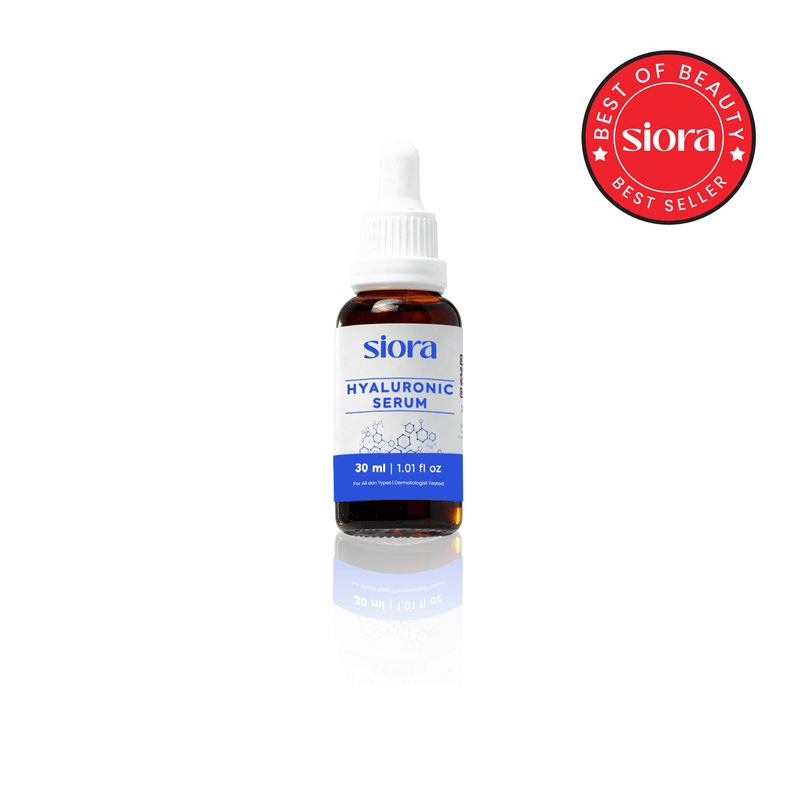
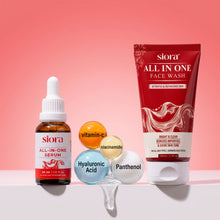
This is why the best hyaluronic acid serum formulas blend several types of hyaluronic acid in one bottle. A single-weight serum either smooths the surface or hydrates deeper; a multi-weight serum provides both at once. Siora's Hyaluronic Acid Serum () is built this way by Siora's formulation team: a hyaluronic acid serum with vitamin B5 (panthenol) and glycerin alongside multiple HA weights. The B5 is a soothing vitamin that helps support the skin barrier while the HA handles deep hydration.
One thing a hydrating serum will not do: it won't exfoliate, fade pigmentation, or kill acne bacteria. Hyaluronic acid has exactly one job, skin hydration, and it's exceptionally good at it. That narrow focus is also why it plays so nicely with every other active you own.
Types of Hyaluronic Acid: Sodium Hyaluronate, Hydrolyzed HA, and Polyglutamic Acid
Ingredient lists rarely say "hyaluronic acid" plainly. You'll see its salt form, its chopped-up fragments, and lately a newer cousin called polyglutamic acid showing up in Pakistani stores. Here's how the main types of hyaluronic acid (and the humectant most often compared with it) stack up:
| Form | What it is | Best for |
|---|---|---|
| Sodium hyaluronate | The stable salt form of HA, smaller and more skin-friendly than the raw molecule. The most common form in serums worldwide. | Everyday hydration at a sensible depth; the workhorse of any lightweight hydrating serum. |
| Hydrolyzed hyaluronic acid | HA broken into tiny fragments so it can settle into the upper epidermis rather than sitting on top. | Longer-lasting hydration from within and gradual softening of fine lines. |
| Polyglutamic acid (PGA) | A newer humectant derived from fermented soybeans. It holds several times more water than HA but the molecule is too large to absorb, so it works strictly at the surface. | An extra dewy finish layered over HA. A complement, not a replacement. |
None of these forms competes with the others. A humectant like hyaluronic acid hydrates at several depths when the formula blends forms; polyglutamic acid just adds a stronger surface film on top. If you only buy one product, a multi-weight HA serum is the practical pick.
Hyaluronic Acid Skin Benefits for Every Skin Type
The biggest misconception in Pakistan is that hydrating products are only for dry skin. In reality, oily skin is often dehydrated skin overcompensating with extra sebum. Here's how a hyaluronic acid serum helps each skin type:
| Skin type | What HA does for it | How to use it |
|---|---|---|
| Oily | Hydrates without adding oil. Well-hydrated skin often produces less excess sebum over time, so the T-zone calms down. | Use alone or under a gel moisturizer at night. Skip heavy creams. |
| Dry | A hydrating hyaluronic acid serum relieves tightness and flaking fast. The go-to serum for dry skin, it plumps rough patches so makeup stops clinging to them. | Apply morning and night on damp skin, always sealed with a rich moisturizer. |
| Combination | Balances both zones at once. Cheeks get the moisture they're missing; the oily T-zone gets hydration without feeling heavy. | Apply all over, then moisturize the dry zones a little more generously. |
| Sensitive | One of the gentlest actives in skin care for sensitive skin. It calms reactivity and supports the skin barrier rather than challenging it. | Choose a fragrance-free formula. Patch test, then build to twice daily. |
| Acne-prone | Non-comedogenic hydration that offsets the dryness and irritation caused by benzoyl peroxide, salicylic acid, and acne treatments. | Layer after treatment products, before a light moisturizer. |
Hyaluronic Acid Serum for Dry Skin vs Oily Skin
These two skin types get the most from the same bottle for opposite reasons. A serum for dry skin needs to deliver water fast and stop it from leaving; HA handles the first half, and a rich moisturizer on top handles the second. Used morning and night, it leaves skin soft instead of papery, and makeup stops settling into dry patches.
Oily skin benefits in a sneakier way. Much of the shine on Pakistani T-zones is overcompensation: dehydrated skin pumping out extra sebum to protect itself. A hydration serum breaks that cycle with oil-free water, so the T-zone often calms down within weeks. The trick is to keep your skin hydrated consistently rather than skipping the serum on days you feel greasy.
Is Hyaluronic Acid Safe for Sensitive Skin and Acne-Prone Skin?
Yes, and it's arguably the safest serum either group can buy. For sensitive or acne-prone skin, the usual worry is irritation or clogged pores; hyaluronic acid presents neither risk. It's non-comedogenic and gentle enough for eye drops, it offsets the dryness that benzoyl peroxide and salicylic acid cause, and consistent hydration helps strengthen the skin barrier, which means less reactivity over time.
If your skin leans very reactive and even gentle serums sting, a softer entry point is Siora's Rice Serum, which hydrates and brightens with fermented rice water and suits skin that needs to repair its barrier before adding stronger actives.
Does Hyaluronic Acid Reduce Fine Lines and Skin Aging?
It softens the appearance of fine lines, and quickly. Dehydration lines (the fine crepey ones around the eyes and mouth) are partly a water shortage, so re-inflating the skin with HA visibly smooths them within minutes, and most people see a steadier improvement within 2 weeks of twice-daily use.
Mature skin deserves its own mention. From the late 30s onward, the combination of falling natural HA and slower collagen turnover makes lines and wrinkles settle in faster. A daily facial serum with hyaluronic acid won't erase a deep wrinkle, but consistent use keeps skin looking smoother and more elastic over months, slowing the visible signs of skin aging. For mature skin, twice-daily application gives the most noticeable payoff of any skin type.
The One Step Most People Skip: Apply It to Damp Skin
This single habit decides whether your serum works or backfires, and almost nobody talks about it.
A humectant pulls water from wherever water is most available. When the air is humid, it draws moisture from the air into your skin. But apply it to bone-dry skin in a bone-dry room (think an Islamabad winter, or any Pakistani bedroom with the AC running for hours) and the nearest water source becomes the deeper layers of your own skin. The serum pulls water up and out, where it evaporates. Result: skin that feels tighter and drier than before you started, and a confused buyer who concludes hyaluronic acid "doesn't work" for them.
The fix takes ten seconds:
- Cleanse, then leave your face slightly damp. Don't towel off completely.
- Apply your hyaluronic acid serum to that damp skin so it has surface water to grab immediately.
- Seal it in with moisturizer within a minute or two. The moisturizer acts as the lid that stops the captured water from evaporating.
Damp skin, then serum, then seal. If you remember nothing else from this guide, remember that sequence.
How to Use Hyaluronic Acid Serum: Step-by-Step Routine
Hyaluronic acid slots into any skin care routine without rearranging it. The full sequence, morning or night:
- Cleanse with a gentle face wash. Pat lightly; leave the skin damp.
- Tone (optional). A hydrating toner adds another layer of water for the serum to lock in. If you use one, apply HA while the toner is still wet.
- Apply 2–3 drops of serum. Press it into the face and neck rather than rubbing. Thinnest consistency goes first, so a watery hyaluronic serum usually leads your serum step.
- Layer other serums such as niacinamide or vitamin C if they're in your routine (order guide below).
- Moisturize. Non-negotiable, even for oily skin. A moisturizer over HA is what makes the hydration last; without it, much of the water escapes.
- Sunscreen in the morning. SPF 50 is the right default for Pakistani UV levels.
Use it daily, morning and night. Unlike exfoliating acids or retinoids, there's no adjustment period and no need for rest days. Most people notice their skin feeling plumper and smoother immediately, and it continues to improve skin texture and fine lines over four to eight weeks of consistent use.
New to layering altogether? Our complete face serums guide for Pakistan walks through building a routine from a single serum up to a full morning and evening lineup.
Pairing Hyaluronic Acid With Other Actives
Hyaluronic acid is the universal teammate of skin care. It has no pH conflicts and no known clashes, so the only real question is order. The rule: water-based HA goes on damp skin early; treatment actives follow; moisturizer seals everything.
| Pairing | Compatible? | How to layer |
|---|---|---|
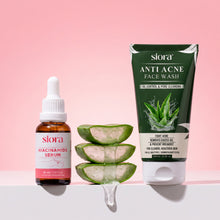
| HA + Niacinamide | Excellent | HA first on damp skin, niacinamide after. Hydration plus oil control is the ideal combination for oily Pakistani skin. Try it with Siora's Niacinamide Serum. |
| HA + Vitamin C | Excellent | Vitamin C first on clean skin in the morning, HA on top, then SPF. The vitamin handles brightening and antioxidant defence while HA hydrates. |
| HA + Retinol | Excellent | At night, sandwich it: apply hyaluronic acid to hydrate damp skin first, then retinol, then moisturizer. HA buffers the dryness and irritation that make beginners quit retinol. Full method in our retinol serum guide for Pakistan. |
| HA + AHA/BHA | Excellent | Exfoliant first, wait a few minutes, then HA to replenish the moisture exfoliation strips away. |
| HA + Kojic acid | Good | Kojic acid (popular in Pakistan for pigmentation) can be drying. HA layered after keeps the routine comfortable. |
If you're choosing your very first serum, start with hyaluronic acid. It's the one active that helps every routine and conflicts with none, which is exactly why it anchors the Siora serum collection.
How to Choose a Hyaluronic Acid Serum (Buyer's Checklist)
Scroll Daraz for five minutes and you'll find dozens of options at wildly different prices. Choosing a hyaluronic acid serum gets simpler once you know that the best hyaluronic acid serums of 2026 share three traits: multiple molecular weights, supporting hydrators, and no fragrance. Everything else on the label is marketing.
What Concentration of Hyaluronic Acid Is Ideal?
Counterintuitively, more is not better. A concentration of hyaluronic acid between 1% and 2% is the sweet spot; above roughly 2%, the formula turns tacky and can pull water out of skin faster than it puts it in. Bottles shouting "5% HA" almost always mean a diluted HA solution, not pure hyaluronic acid. A well-made 1–2% multi-weight serum beats a gimmicky high-percentage one every time.
What a Good Serum Contains
Check what the serum contains beyond the headline ingredient. The strongest formulas pair HA with co-hydrators and barrier helpers:
- Glycerin, a second humectant that backs HA up when indoor air gets dry.
- Vitamin B5 (panthenol), which soothes and supports barrier repair. A hyaluronic acid serum with vitamin B5 is noticeably more comfortable on reactive skin.
- Vitamin C in a morning formula, if you want brightening and hydration in one step; just expect to pay more for a stable combination.
- Sodium hyaluronate plus hydrolyzed HA together, the sign of a genuine multi-weight blend.
Red flags run the other way: fragrance or essential oils high on the list, no full ingredient disclosure, "filler-like results" promises, and sellers on marketplaces with no verifiable brand behind them.
Best Value in Pakistan: Local vs Imported
You don't need to import to find the best hyaluronic acid serum for your budget. Imported options like CeraVe or The Inkey List typically run Rs 3,500–5,500 in Pakistan after retailer markups, with inconsistent stock. Siora's Hyaluronic Acid Serum uses the same multi-weight approach with B5 and glycerin, ships nationwide with cash on delivery, and works out to the best value per month of use by a wide margin.
Hyaluronic Acid in Pakistan's Climate: City-by-City Adjustments
Most hyaluronic acid advice online is written for Western climates. Pakistan needs its own playbook, because using hyaluronic acid in Karachi's sea air is not the same as using it in a Lahore December.
| Condition | What's happening | Your adjustment |
|---|---|---|
| Karachi (humid most of the year) | 60–80% humidity gives HA plenty of airborne water to pull in. It works at its best here. | Serum plus a light gel moisturizer is enough. Heavy creams will feel suffocating. |
| Lahore, Islamabad, Peshawar winters | Humidity can fall below 30%. Dry air plus indoor heating is exactly the scenario where HA on dry skin backfires. | Damp-skin application becomes critical. Seal with a richer cream, and consider HA twice daily. |
| AC-dried indoor air (every city, May–September) | Eight hours in an air-conditioned office or bedroom dehydrates skin like a desert. This is the most underestimated cause of dull, tight skin in urban Pakistan. | Reapply moisturizer over your serum before long AC exposure, and keep water intake up. |
| Summer heat and sweat | Sweat evaporating off the skin accelerates water loss, even when you feel greasy. | Don't skip the serum because you feel oily; that shine often hides dehydration underneath. |
The seasonal rhythm to remember: lighter layers in the humid months, damp application plus a richer seal in the dry ones. Same serum year-round; only the lid changes.
Injectable vs Topical Hyaluronic Acid: Set the Right Expectations
You've probably seen hyaluronic acid mentioned alongside fillers, and it's worth separating the two so your expectations stay honest.
Injectable HA (dermal fillers) places a cross-linked gel beneath the skin to physically restore volume in cheeks or lips. Results are immediate, dramatic, and last six to eighteen months. It's a medical procedure performed by a qualified practitioner, typically costing PKR 40,000–150,000+ per session in Pakistan.
Topical hyaluronic acid hydrates the upper layers of the skin. It will not add structural volume or fill a deep crease, and any serum that promises "filler-like results" is overselling. What it genuinely does: plumps the look of fine lines, improves skin texture and bounce, relieves dryness, and helps your overall skin behave better day to day, for about the price of one coffee run a month rather than a clinic bill.
They're different tools for different jobs. For daily maintenance and prevention, the serum is the smarter starting point; many dermatologists also recommend topical HA after procedures to support skin while it heals.
Side Effects of Hyaluronic Acid: Rare, but Worth Knowing
Hyaluronic acid is one of the safest ingredients in cosmetics, gentle enough that it's used in eye drops and wound care. Since your body produces it naturally, true allergic reactions to topical HA are very rare. Still, a few practical notes:
- Tightness or increased dryness usually means it was applied to dry skin in dry air, or never sealed with moisturizer. Fix the technique before blaming the product.
- Mild stinging on application can happen on compromised or freshly exfoliated skin, and typically settles as the skin barrier recovers.
- Reactions to other ingredients like fragrance or certain preservatives are more likely culprits than the HA itself. Read ingredient lists and patch test any new serum on your inner arm for 24 hours.
- Pilling (product balling up) means you applied too much or layered too fast. Two to three drops is plenty.
Pregnant or breastfeeding? Topical hyaluronic acid is generally considered safe, but run any routine past your doctor for peace of mind.