



Key Takeaways
How Activated Charcoal Works in a Face Wash
Activated charcoal is a fine charcoal powder that's been treated to make it extremely porous. That porous surface is the whole point. When you cleanse, the charcoal acts like a magnet: it binds to the excess oil, sweat, sunscreen and grime sitting on your skin and inside your pores, then carries all of it away as you rinse.
This is a physical process, not a chemical one. The activated charcoal doesn't sink into your skin or stay behind. It grabs the dirt and impurities, holds them, and leaves with the water. That's why an activated charcoal face wash feels so clean afterward. It's pulling out the stuff a basic cleanser leaves behind, deep within the pores where blackheads start. Siora's formulation team infuse the charcoal with glycerin so the formula deep-cleans without stripping your skin barrier raw.
Key Benefits of a Charcoal Face Wash
Here's what a good charcoal facewash does for oily and combination skin:
- Deep pore cleansing: the charcoal reaches into congested pores to lift trapped oil, remove dirt and clear dead skin cells a surface wash can't.
- Oil control: it removes excess oil and helps your face stay matte for longer, which is a real win in Pakistan's heat and humidity.
- Fewer blackheads: by clearing the oil and debris that harden into blackheads, regular use makes a charcoal face wash for blackheads genuinely effective over time.
- A detox feel: activated charcoal helps detoxify the skin's surface, so your complexion looks clearer and feels refreshed after every wash.
- Smoother texture: cleaner pores and less buildup leave the skin smooth and looking fresh, not dull and congested.
To purify oily skin properly you need a cleanser that does more than foam. This is where charcoal earns its place in a skincare routine: it gives you that deep-cleansing reset a few times a week without harsh scrubbing.
Who Should Use a Charcoal Cleanser (and Who Should Avoid It)
A charcoal cleanser for oily skin is a strong match if you:
- Have oily skin that shines soon after washing.
- Have combination skin with an oily T-zone and clogged pores.
- Deal with blackheads and breakouts on the nose, forehead and chin.
- Have acne-prone skin that needs help managing excess oil.
Who should be careful? If your skin is very dry, flaky or sensitive, a charcoal face wash can be too thorough. It's so good at removing oil that it can leave already-dry skin feeling tight. You don't have to avoid it completely, but use it two or three times a week at most and always follow with moisturizer. The same goes if your skin feels stripped after any cleanser. For dry or reactive skin, a gentler daily face wash is the better everyday base.
Charcoal vs Salicylic Acid: Which One Do You Need?
Both target oily, breakout-prone skin, but they work differently. Charcoal physically pulls oil and impurities off the surface and out of pores. Salicylic acid is a chemical exfoliant that dissolves the oil and dead skin cells inside the pore. Many people use both: charcoal as a deep-cleanse a few times a week, salicylic acid as the daily acne cleanser.
| Factor | Charcoal Face Wash | Salicylic Acid Face Wash |
|---|---|---|
| How it works | Adsorbs oil & impurities (physical) | Dissolves oil in pores (chemical) |
| Best for | Oily skin, deep cleansing, detox | Active acne, persistent blackheads |
| How often | 3-5 times a week | Once or twice daily |
| Feel | Clean, refreshed, matte | Clear, balanced, treated |
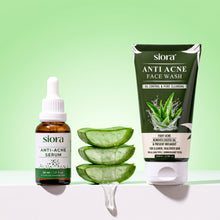
If active acne is your main problem, lead with the Siora Anti-Acne Face Wash and read our full salicylic acid face wash guide. If oil and blackheads are the issue, charcoal is your pick. There's no rule against using both.
How to Use a Charcoal Face Wash
- Wet your face with lukewarm water. Hot water strips the skin barrier, so keep it warm, not hot.
- Massage in a small amount of the charcoal face wash for 20-30 seconds, focusing on the oily T-zone and any congested areas.
- Rinse thoroughly so no charcoal residue is left behind, then pat dry with a clean towel.
- Follow with a lightweight moisturizer, and use sunscreen in the morning.
How often: Use it 3-5 times a week, not every single wash, to avoid over-drying. Charcoal is a deep-cleanser, so a few sessions a week is plenty for most oily skin. If your skin ever feels tight or flaky, scale back to two or three times a week. Consistency, not intensity, gives you clear, balanced skin.
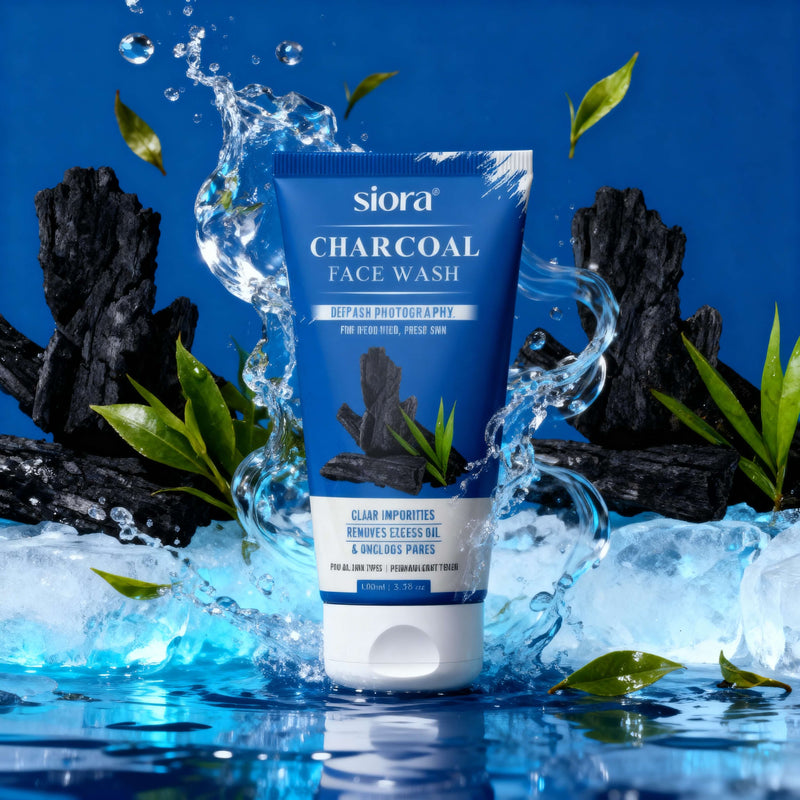
Want it? The Siora Charcoal Face Wash (Deep Detox & Pore Cleansing) and fast shipping across Pakistan. Building a full routine? Pair it with our whitening face wash guide for brighter, more even skin.