

Key Takeaways
What Is Salicylic Acid? The Oil-Soluble BHA Explained
Salicylic acid is a beta hydroxy acid originally derived from willow bark. That "beta hydroxy" label isn't marketing jargon; it describes the molecule's structure, and that structure is the entire reason this ingredient earned its reputation for acne control.
Here's the part most product labels skip: salicylic acid is oil-soluble. Alpha hydroxy acids like glycolic acid and lactic acid are water-soluble, which means they exfoliate the surface of your skin but can't get past the oily plug sitting inside a blocked pore. Salicylic acid can. Because it dissolves in oil, it penetrates deep into the pores, where it breaks down the mix of sebum and dead skin cells that forms blackheads and whiteheads in the first place.
Dermatology research has documented this for decades: salicylic acid is keratolytic (it loosens the bonds between dead cells) and mildly anti-inflammatory, which is why it can take the angry edge off an active pimple while also preventing the next one from forming. A cleanser is the easiest entry point because it does its job in under a minute and rinses away, making irritation far less likely than with leave-on acids.
Benefits for Acne-Prone Skin in Pakistan's Humidity
Acne behaves differently in Lahore in July than it does in a dry climate. High humidity keeps sweat on your skin longer, pollution and dust stick to that film, and your sebaceous glands respond to heat by producing even more oil. The result is a near-constant cycle of congestion, especially across the T-zone. A cleanser that can control excess oil at the source stops being optional.
A salicylic acid cleanser for oily skin is built for exactly these conditions. Used consistently, it:
- Unclogs pores by dissolving the oil-and-debris plugs that become comedones
- Helps remove excess oil through the day, so your face stays matte longer between washes
- Reduces blackheads and whiteheads, the non-inflamed bumps that usually appear before a full breakout
- Helps prevent future breakouts by keeping pores clear instead of just treating pimples after they appear
- Calms redness mildly, thanks to its anti-inflammatory action
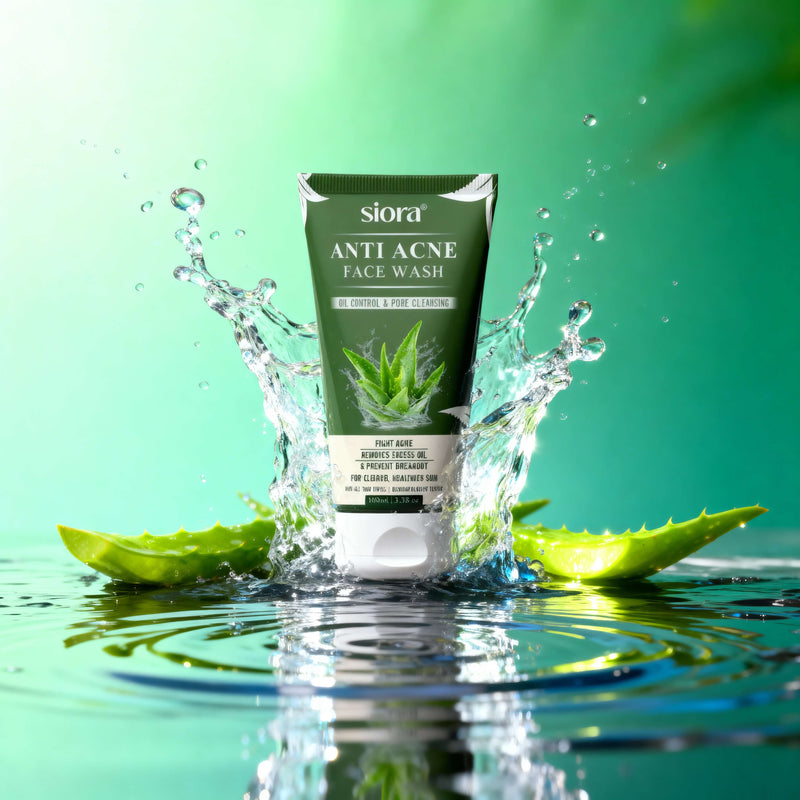
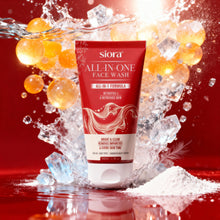
This is why a salicylic acid acne wash sits at the centre of most serious acne control routines. Siora's Anti-Acne Face Wash () was built around this logic: a 2% salicylic acid gel cleanser formulated for oily and acne-prone skin dealing with daily sweat, sun, and city pollution.
Salicylic Acid vs Benzoyl Peroxide: Which One Should You Use?
These are the two heavyweight over-the-counter acne ingredients, and they solve different problems. Benzoyl peroxide kills acne-causing bacteria; salicylic acid clears the blocked pores those bacteria live in. Here's the practical comparison:
| Salicylic Acid | Benzoyl Peroxide | |
|---|---|---|
| How it works | Exfoliates inside the pore, dissolves sebum and dead cell buildup | Kills C. acnes bacteria, reduces inflammation |
| Best for | Blackheads, whiteheads, clogged pores, oily skin | Red, inflamed, pus-filled pimples |
| Dryness and irritation | Mild at 2%, especially in a rinse-off cleanser | Higher; peeling and stinging are common |
| Side effects to know | Possible tightness if overused | Bleaches towels, pillowcases, and clothing |
| In humid weather | Excellent: targets the oil-driven congestion humidity causes | Workable, but dryness plus sweat often means more irritation |
| Daily-use friendly | Yes, for most skin types | Usually spot treatment or alternate days |
For most people in Pakistan whose acne is driven by oil and humidity rather than severe inflammation, salicylic acid is the smarter daily base. If your skin is too reactive for either, azelaic acid is a gentler third option worth discussing with a dermatologist.
What Concentration of Salicylic Acid Do You Need? Why 2% Wins
You'll find the concentration of salicylic acid in face washes ranging from 0.5% to 2%. The research and decades of dermatological use point clearly to 2% as the ceiling for over-the-counter products, and the sweet spot for results.
- 0.5–1%: Gentle, and a 1% formula does work, but slowly. Better for very sensitive skin easing into acids.
- 2% (salicylic acid 2%): The best salicylic acid concentration for visible results on blackheads, oiliness, and recurring breakouts without prescription-level irritation. This is what most well-reviewed acne washes worldwide use.
- Above 2%: Prescription territory, used in chemical peels under professional supervision. Not for home cleansers.
Concentration isn't the whole story, though. The supporting formula decides whether a wash clears your skin or strips it. According to Siora's formulation team, the goal with the Clear. Calm. Balanced. face wash was a gel cleanser that pairs 2% salicylic acid with glycerin to pull water back into the skin, and a mild surfactant base (the cocamidopropyl betaine family rather than harsh sulfates) so it can clean thoroughly without drying. Ingredients like zinc PCA show up in good acne formulas for the same reason: they help control oil between washes. That balance is what makes a wash gentle enough for daily use at Rs 690, delivered anywhere in Pakistan with cash on delivery.
How to Use a Salicylic Acid Face Wash Daily (Without Over-Drying)
Technique matters more than people think. A great acne face wash used badly will still leave you flaky and tight. Here's the routine:
- Start with lukewarm water. Hot water strips oil too aggressively and triggers rebound oiliness.
- Use a coin-sized amount. Work it into a light lather between your palms first.
- Massage for 30–60 seconds. This is the step everyone rushes. Salicylic acid needs contact time to work; focus on the forehead, nose, and chin where congestion builds.
- Rinse thoroughly and pat dry. Don't rub with the towel.
- Apply moisturizer within a minute. Damp skin absorbs it better, and this single habit prevents most acid-related dryness.
- Wear sunscreen every morning. Exfoliating acids make skin more sun-sensitive, and our sunblock guide for Pakistan explains how to pick one that won't clog you right back up.
How often should you use it?
| Skin type | Recommended frequency |
|---|---|
| Oily, resilient skin | Twice daily (morning and night) |
| Combination skin | Once daily at night; plain cleanse in the morning |
| Sensitive or first-time users | 3–4 evenings a week, increasing slowly |
| Dry, acne-prone skin | 2–3 evenings a week, always followed by moisturizer |
One more habit worth keeping: do a patch test on your jawline for two or three days before going all-in, especially if you've reacted to actives before. And if you'd rather match a cleanser to your exact skin type, the full Siora face wash range covers oily, dry, and sensitive formulas.
Pairing It With Niacinamide: The Anti-Acne Starter Stack
A cleanser rinses off, so it handles the "clear the pores" half of the job. A leave-on serum stays put for hours and handles the rest. The most reliable beginner combination for oily, breakout-prone skin is a salicylic acid wash followed by a niacinamide serum.
The two ingredients don't compete; they cover different ground. Salicylic acid works to unclog pores and keep them clear, while niacinamide regulates sebum production, strengthens the skin barrier, and fades the marks pimples leave behind. Used together, you reduce breakouts on two fronts: fewer new ones, and faster recovery from the old.
The stack, in order:
- Cleanse with your 2% salicylic acid wash
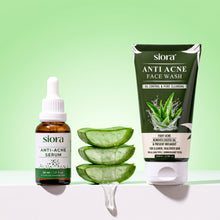
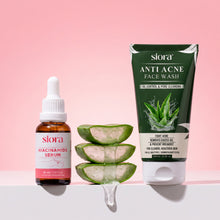
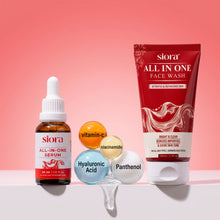
- Treat with a serum: niacinamide serum (Balance. Oil. Refine.) for oil regulation and visible pores, or the anti-acne serum (Rs 1,390) if active breakouts are your main fight
- Moisturize with a lightweight, non-comedogenic gel or lotion
- Protect with SPF every morning
If you already use a salicylic acid serum, don't double up morning and night. Use the wash in the morning and the serum at night, or alternate days. New to serums entirely? Our face serums guide for Pakistan walks through the whole category.
Common Mistakes That Sabotage Your Results
- Washing more than twice a day. Over-cleansing strips the barrier, your glands compensate with more oil, and you end up greasier and more broken out than before.
- Skipping moisturizer because your skin is oily. Dehydrated skin produces more sebum, not less. Moisturizer is part of oil control, not the enemy of it.
- Stacking too many actives at once. Salicylic wash plus retinol plus vitamin C plus an exfoliating toner in week one is a recipe for a wrecked barrier. Add one product at a time, two weeks apart.
- Quitting after ten days. Pores take time to clear. Expect early improvement in oiliness within a week, visibly fewer blackheads by week four, and the full effect on breakouts at six to eight weeks.
- Scrubbing on top of acid. You don't need a physical scrub and a chemical exfoliant. Pick the acid; it's the one that actually reaches inside the pore.
- Ignoring your pillowcase and phone screen. In our climate, both collect oil and bacteria fast. Change and clean them regularly or they'll undo your cleanser's work every night.
Who Should Avoid Salicylic Acid Face Wash?
It's a well-tolerated ingredient, but not universal. Skip it, or talk to a doctor first, if any of these apply:
- Aspirin allergy. Salicylic acid is chemically related to aspirin; salicylate-sensitive people should avoid it entirely.
- Eczema, very dry skin, or a damaged barrier. Heal the barrier first with bland, fragrance-free products, then reconsider.
- Pregnancy or breastfeeding. A 2% rinse-off wash is generally considered low-risk, but this is a decision for your own doctor, not a blog.
- Sensitive skin that stings with everything. You may still tolerate a rinse-off formula a few nights a week, but start slow, and consider gentler alternatives like azelaic acid or lactic acid if irritation persists.
- Children under 12. Not formulated or tested for them.
Mild tingling on first use is normal. Burning, persistent stinging, or flaking that lasts beyond the adjustment fortnight is not; scale back the frequency or stop.