

Key Takeaways
What a Blackhead Actually Is
A blackhead is a type of clogged pore. When excess oil (sebum) and dead skin cells collect inside a pore, they form a soft plug. If the pore stays open at the surface, the top of that plug is exposed to air, oxidizes, and turns dark. That dark color isn't trapped dirt, which is the most common myth about blackheads. It's oxidized sebum, the same way a cut apple browns when it's left out.
This is the difference between a blackhead and a whitehead. A whitehead is a clogged pore that's closed over at the top, so the contents stay white or skin-colored. A blackhead is open, so it darkens. Both are mild forms of acne, technically called comedones, and both start the same way: too much oil, too many dead skin cells, and a pore that can't clear itself.
That's why blackheads love oily skin and the T-zone. The nose, chin and forehead have more sebaceous glands, produce more oil, and clog more easily. Knowing what a blackhead is made of tells you exactly what an effective blackhead treatment has to do: break down the oil and dead skin inside the pore. That's where salicylic acid comes in.
How Salicylic Acid Dissolves Blackheads
Salicylic acid is a beta hydroxy acid, or BHA. The detail that makes it the standout ingredient for blackheads is one word: it's oil-soluble. Most exfoliating acids, like glycolic acid and other AHAs, are water-soluble. They work on the skin's surface. Salicylic acid, being oil-soluble, can actually travel down into an oily, congested pore and work from the inside.
Once it's inside the pore, salicylic acid does two things. First, it dissolves the bonds holding dead skin cells together, gently exfoliating the lining of the pore so the plug loosens. Second, it breaks down the sebum itself, the oxidized oil that gives a blackhead its dark cap. The plug softens, releases, and clears out without you having to squeeze anything. This is why BHA for blackheads is so effective where surface scrubs aren't: the action happens deep within the pore, not just on top of it.
There's a bonus. Because salicylic acid keeps pores clear of the oil and dead skin cells that feed them, it also helps prevent blackheads and breakouts from forming in the first place. It treats what's already there and reduces what comes next. That dual action is why it sits at the center of nearly every acne treatment and blackhead-focused product, from a salicylic acid cleanser to a leave-on salicylic acid serum, and why it earns a spot in almost any anti-blackhead skincare routine.
How to Use Salicylic Acid: Percentage and Frequency
More salicylic acid is not more results. For blackheads and everyday acne-prone skin, a concentration of salicylic acid between 0.5% and 2% is the proven, well-tolerated range. A 2% salicylic acid product is about as strong as you want for at-home use. Anything higher is usually a professional peel, and on regular skin it mostly buys you dryness and irritation, not faster blackhead removal.
How often depends on the format and your skin type. Each of these salicylic acid products uses the same active in a different delivery system:
Face Wash
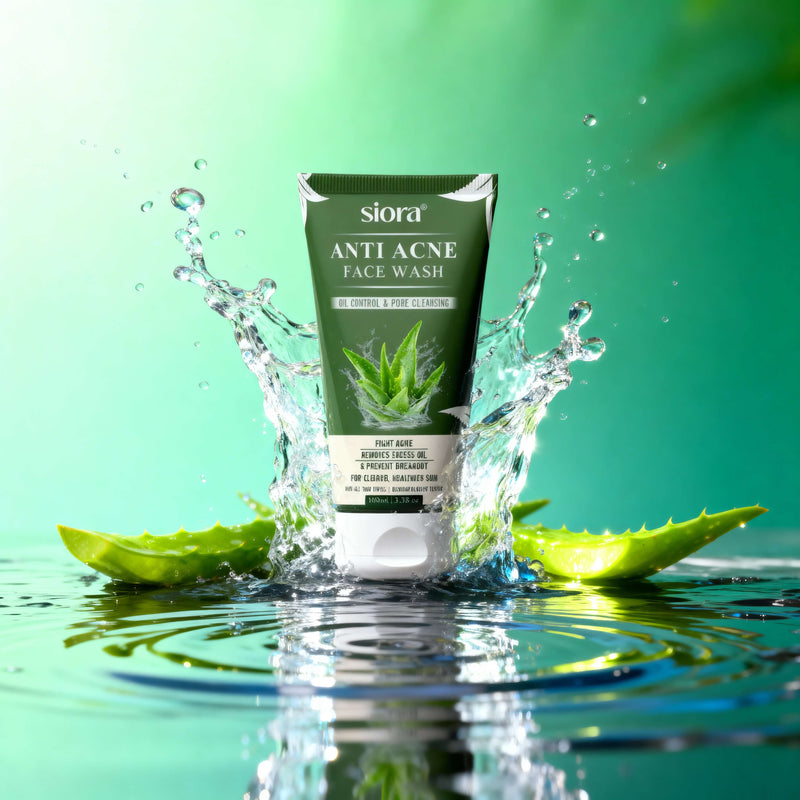
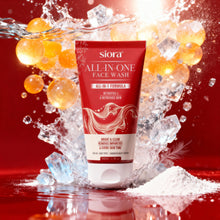
A salicylic acid face wash rinses off, so it's gentle. Most acne-prone skin can use a 2% cleanser daily, or every other day if skin feels dry. The Siora Anti-Acne Face Wash is formulated with salicylic acid 2% and is designed for 2-3 washes a week as a balanced starting point, building up from there.
Salicylic Acid Serum
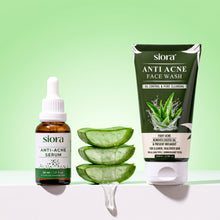
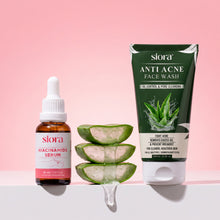
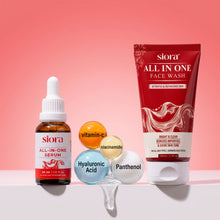
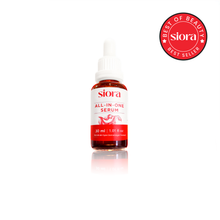
A salicylic acid serum stays on the skin, so it's more potent. Start 2-3 times a week, then increase to daily as your skin adjusts. A leave-on treatment like the Siora Anti-Acne Serum () gives the acid more contact time to unclog pores from the inside. If you prefer a watery texture, a salicylic acid toner is another lightweight format that can sit under a serum.
Spot Treatment
A spot treatment dabs a higher dose only on a stubborn blackhead or pimple, leaving the rest of your face alone. This targets salicylic acid for acne flare-ups without exfoliating skin that doesn't need it.
The smart approach is to start low and slow. Begin with one product a few times a week, see how your skin responds, and build up. If you have sensitive skin, lean toward a salicylic acid cleanser first since it has the least contact time. Pushing too hard, too fast is the fastest way to trade blackheads for redness and dryness.
How Long Salicylic Acid Takes to Work
This is where most people quit too early. Salicylic acid works gradually. You might notice your skin feels smoother and looks a little clearer within the first week or two, but real change to blackheads takes longer. Plan on 4 to 6 weeks of consistent use to see a meaningful drop in blackheads, and a couple of months for your skin to settle into its clearest state.
There's a reason for the wait. Your skin renews itself on a cycle of roughly four to six weeks, and salicylic acid is gently exfoliating along with that natural turnover. It's clearing the current plugs and stopping new ones from hardening, but it can't rush your skin's own pace. Some people also see a brief "purge" early on, where congestion already forming under the surface comes up faster. That settles. Consistency is the whole game with this ingredient. Use it daily-ish for six weeks before you judge whether it's working.
Why Squeezing and Pore Strips Keep Failing
Squeezing feels productive and gives you that instant, satisfying result. The problem is it only removes the very top of the plug while leaving the oil and dead skin cells deeper in the pore untouched. The pore refills, the blackhead comes back, and you've often pushed bacteria in or damaged the pore wall along the way. That can turn a harmless blackhead into an inflamed pimple, or leave a mark that lingers far longer than the blackhead would have.
Pore strips have the same flaw. They yank out the surface of the plug and any loose surface debris, so your nose looks clear for a day. But they do nothing to the sebum and dead skin cells producing the blackhead, and they can irritate the skin's surface, especially on sensitive skin. Within days the blackheads are back, because nothing addressed the cause.
That's the core difference. Squeezing and strips treat the symptom you can see. Salicylic acid treats the clogged pore itself, dissolving the plug from the inside and keeping the pore clear so new blackheads don't form. One is a quick illusion. The other actually gets rid of blackheads over time. If you want to stop the cycle instead of repeating it weekly, you have to work inside the pore, not on top of it.
The Full Routine to Get Rid of Blackheads
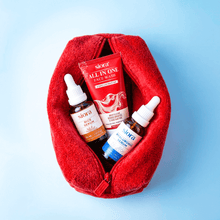
Salicylic acid does the heavy lifting, but it works best inside a simple, consistent routine. You don't need ten steps. You need four, done daily.
- Cleanse. Wash twice a day with a gentle, oil-clearing cleanser. A salicylic acid face wash here does double duty: it cleans and treats in one step. The Siora Anti-Acne Face Wash (2%, ) is built for exactly this. If you also battle heavy oil, a charcoal face wash a couple of times a week deep-cleans pores between salicylic washes.
- Treat. After cleansing, apply your leave-on salicylic acid. A salicylic acid serum like the Siora Anti-Acne Serum stays in contact with the pore longer than a wash, so it's the workhorse for stubborn blackheads. You can layer a hydrating toner before it if your skin runs dry.
- Moisturize. Always follow an acid with moisturizer, even on oily skin. Salicylic acid can cause dryness, and dry skin actually pumps out more oil to compensate, which feeds more blackheads. A lightweight, non-comedogenic moisturizer (hyaluronic acid is a good pick) keeps the skin barrier happy.
- SPF. Every morning, finish with sunscreen. Exfoliating acids make skin more sensitive to the sun, and skipping SPF undoes your progress and worsens marks. This step is non-negotiable.
Exfoliate the Right Way
Salicylic acid is a chemical exfoliant, which means exfoliation happens through dissolving the bonds between dead skin cells rather than scrubbing them off. That gentler form of exfoliation is exactly why it suits blackhead-prone skin. If you want to compare it with an alternative, lactic acid is a water-soluble AHA and a milder chemical exfoliant that works on the surface and adds hydration, but it can't sink into oily pores the way a BHA does. For blackheads specifically, the oil-soluble BHA wins; lactic acid is better thought of as a complementary exfoliant for texture and glow, not a blackhead fix.
One caution: don't pile salicylic acid on top of every other active at once. Layering it with glycolic acid, retinol or other AHAs on the same night is a common mistake that leads straight to irritation. Pick your treatment, use it consistently, and add the rest slowly. For a deeper look at the cleansing side of this routine, read our full salicylic acid face wash guide.
Mistakes That Make Blackheads Worse
Doing more isn't the same as doing it right. These are the habits that keep blackheads coming back, or make them worse:
- Over-exfoliating. You should exfoliate to clear blackheads, but using salicylic acid plus scrubs plus glycolic acid every day strips and inflames the skin. Irritated skin produces more oil and looks worse, not clearer. Less is more with acids.
- Quitting too soon. Stopping after a week because you didn't see instant results means you never gave it the 4-6 weeks it needs. Inconsistency is the number one reason salicylic acid "doesn't work."
- Skipping moisturizer. Drying out acne-prone skin backfires. Dryness triggers more oil, which clogs more pores and can spark a fresh breakout. Hydration is part of clearing blackheads, not a luxury.
- Picking and squeezing. It damages the pore, spreads bacteria, and can scar. Let the acid do the work.
- Skipping sunscreen. Exfoliated skin burns and marks more easily. No SPF means slower healing and darker blemish marks.
- Going too strong, too fast. Jumping straight to a high concentration of salicylic acid every day, especially on sensitive skin, causes redness and peeling that sets you back.
Get these right and the ingredient does the rest. Pick one good salicylic acid product, use it consistently, moisturize, wear SPF, and keep your hands off your face. That's genuinely the whole formula for clear, blackhead-free skin.