

Key Takeaways
How Salicylic Acid Works: The Beta Hydroxy Acid (BHA)
Salicylic acid is a beta-hydroxy acid, or BHA, and it's oil-soluble. That single trait is why it's so good at treating acne. Because it dissolves in oil, salicylic acid slips past the surface and works inside the pore, where the trouble starts. There it loosens the bond between dead skin cells and dissolves the oil-and-debris plug that blocks the pore, so the pore drains instead of building into a blackhead or whitehead. As a beta hydroxy acid (BHA), it works deeper than water-soluble acids that only exfoliate the skin at the surface.
So salicylic acid is mainly a pore-clearing exfoliant. It doesn't kill bacteria directly; it removes the clogged-pore environment acne needs to form, which makes it a first-choice active ingredient for blackheads, whiteheads and the congested texture of oily skin. Used regularly in a serum or cleanser, it keeps pores clear, smooths skin texture and reduces new breakouts. A close cousin, lipohydroxy acid (LHA), works the same way with a gentler touch.
How Benzoyl Peroxide Works
Benzoyl peroxide is a topical antibacterial that takes a different route. Instead of exfoliating, it releases oxygen into the pore, and the bacteria that drive acne can't survive there. By killing those bacteria, it tackles the inflammation behind red, swollen pimples directly, with a mild drying effect that also shifts surface oil.
Because it goes straight after the bacteria, benzoyl peroxide calms an angry, inflamed pimple faster than a chemical exfoliant can. The trade-off is that it's harsher: it dries the skin more aggressively, causes more irritation, and famously bleaches towels and dark fabric. That's the core split in the benzoyl peroxide vs salicylic acid question: one clears the pore, the other kills the bug.
Salicylic Acid vs Benzoyl Peroxide: Side-by-Side
| Factor | Salicylic Acid | Benzoyl Peroxide |
|---|---|---|
| Mechanism | BHA exfoliant; unclogs pores, dissolves dead skin and oil | Antibacterial; kills acne bacteria with oxygen |
| Best for | Blackheads, whiteheads, clogged pores, mild acne | Red, inflamed pimples and cystic acne |
| Irritation & dryness | Lower; gentler on sensitive skin | Higher; more drying, can bleach fabric |
| Who it suits | Oily and acne-prone skin, blackhead-prone skin | Active, inflammatory breakouts |
Both are proven over-the-counter acne treatments found in countless skincare products, and neither is the single best acne ingredient for everyone. The faster result depends on what you're treating: benzoyl peroxide wins on inflamed spots, salicylic acid wins on congestion and recurring blackheads. If you're unsure which fits, a dermatologist can match the active ingredient to your skin conditions.
Salicylic Acid for Acne: Which Acne It's Best For
Reach for salicylic acid when your acne is about clogged pores rather than redness. As a topical acne treatment, it's the standout choice if you deal with:
- Blackheads on the nose, forehead and chin that keep coming back.
- Whiteheads and closed comedones, the small bumps under the surface.
- Oily skin with congested, rough texture that never feels truly clean.
- Mild acne and the early breakouts that haven't turned red and angry yet.
Because it exfoliates the skin from inside the pore, salicylic acid for acne also smooths skin texture over time and helps fade the look of acne spots left behind. In the right concentration it's gentle enough for daily use, which makes it ideal for ongoing acne control on oily and acne-prone skin. The concentration of salicylic acid matters: the best products sit between 0.5% and 2%, and a leave-on serum gives more pore-clearing power than a quick-rinse cleanser. A face wash containing salicylic acid is a good entry point; a 2% serum is the step up.
Salicylic Acid for Acne-Prone Skin and Other Skin Types
Salicylic acid suits more than just oily skin. On acne-prone skin it keeps pores clear and steadies daily breakouts. On combination skin it controls oil and congestion in the T-zone while staying gentle on drier cheeks, which is why a measured concentration of salicylic acid often works better than a stronger one. For mild to moderate acne that is mostly blackheads and small bumps, it's usually the right first step before reaching for harsher actives. The main thing to watch is skin irritation: starting at a lower strength and pairing it with a moisturizer keeps the routine comfortable while it works.
Benzoyl Peroxide: Which Acne It's Best For
Benzoyl peroxide earns its place when acne is inflammatory. Choose it for:
- Red, swollen pimples that are sore to touch.
- Pus-filled spots (pustules) that flare up fast.
- Cystic and nodular acne, the deep, painful kind, often as part of a plan from a dermatologist.
- Stubborn breakouts that haven't responded to exfoliation alone.
Since it kills the bacteria feeding the breakout, benzoyl peroxide is a strong spot treatment for moderate, inflamed acne. The catch is harshness: higher strengths cause more dryness, redness and peeling, so many people get the same benefit from a lower 2.5% concentration with far less irritation. For severe acne that runs deep and keeps scarring, benzoyl peroxide is often only part of the plan, paired with prescription treatment under a dermatologist's guidance. If your acne is mostly blackheads, this isn't the ingredient you need.
Can You Use Both Salicylic Acid and Benzoyl Peroxide?
Yes, and many people do, because they solve different problems. The pitfall is using salicylic acid and benzoyl peroxide together at full strength, on the same skin, at the same time. Stacking two strong actives is the fastest way to trigger dryness, flaking and a damaged skin barrier, and irritated skin breaks out more, not less.
The safer way is to separate them: use one in the morning and the other at night, or alternate days. A common routine pairs a gentle salicylic acid serum for daily pore-clearing with benzoyl peroxide used as a spot treatment only on active, inflamed pimples. Introduce one product at a time and watch how your skin reacts. If your skin is sensitive, lean on the salicylic acid side and keep benzoyl peroxide for occasional spot use.
How to Use Salicylic Acid Without Over-Drying
Most irritation comes from overdoing it, not from the ingredient itself. These habits keep salicylic acid effective and your skin barrier intact:
- Start low and slow. Begin two or three times a week, then build up as your skin adjusts. Daily use is fine once you tolerate it.
- Don't stack every acid at once. Mixing salicylic acid with glycolic acid, lactic acid, retinol and benzoyl peroxide in one routine is the classic over-exfoliation trap.
- Always moisturize. A lightweight, non-comedogenic moisturizer replaces the water salicylic acid draws out and strengthens the skin barrier.
- Wear sunscreen daily. Exfoliated skin is more sun-sensitive, so SPF every morning is non-negotiable.
- Choose the right strength. A 2% serum is plenty for most acne-prone skin. There's no prize for going harsher.
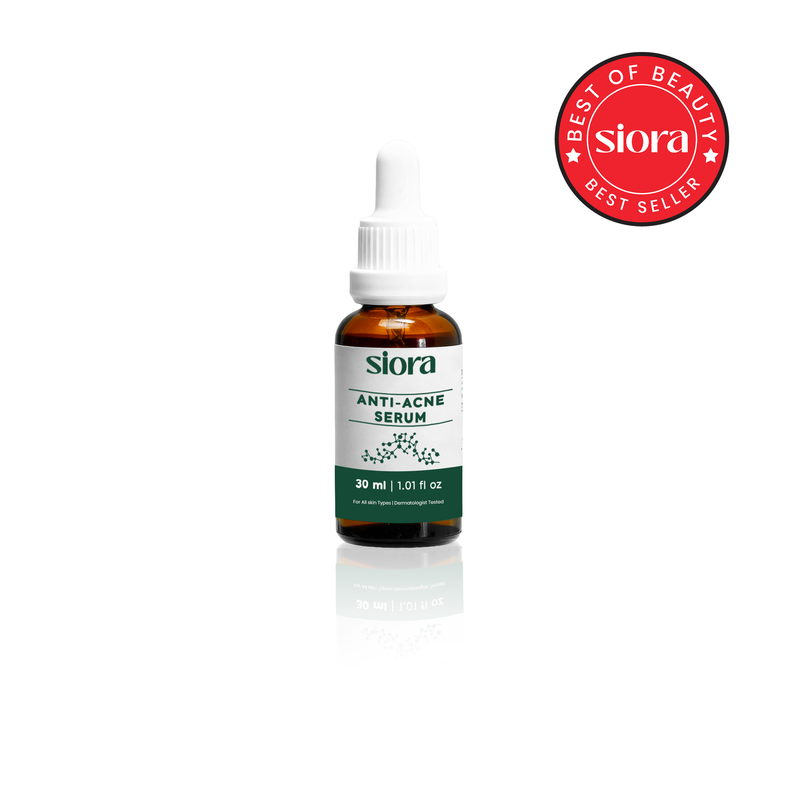
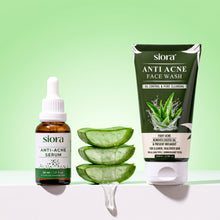
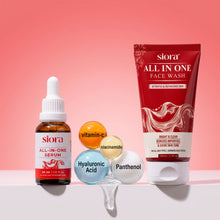
If your skin feels tight, stings or starts flaking, that's the signal to scale back, not push harder. Consistency beats intensity for clear skin. For a daily base, the Siora Anti-Acne Face Wash () cleanses without stripping, and the Anti-Acne Serum (Clear, Calm & Control) delivers 2% salicylic acid where it counts, at Rs 1,390. Siora's formulation team balances the acid with soothing, barrier-supporting ingredients so it controls breakouts without leaving skin raw.
Want the full breakdown on cleansers? Read our salicylic acid face wash guide. If blackheads and excess oil are your main issue, our charcoal face wash guide pairs well with a salicylic routine.