

Key Takeaways
The best face wash for acne in Pakistan is a 2% salicylic acid cleanser that clears without stripping. Foam is not an acne treatment. Pair Salicylic Acid Face Wash with leave-on Anti-Acne Serum. The Acne Control combo is Rs 1,590 with COD. Do not stop at a cleanser.
That is the buying answer for acne-prone skin in this climate.
Why an anti acne face wash fails in this heat
You were told to wash more. So you did. The foam felt like progress. By noon the T-zone was oily again, the cheeks were tight, and the next pimple still showed up on the jaw. Then you bought a harsher foaming face wash, because more foam sounded like it would finally fight acne.
The bottle was stripping you. Not treating you.
Heat and humidity keep sweat on the face. A sulfate wash yanks surface oil, the barrier complains, and the skin dumps more sebum by lunch. Rebound shine is not a personality trait. It is a bad match for Pakistani weather.
The wedge stays the same: clear acne without drying. The gel goes where the plug sits, then rinses. If a face wash for oily skin leaves you flaky at 11am, it is the wrong skin type match, not a reason to scrub harder. The goal is healthy skin you will still treat in August, not a squeaky face by breakfast.
Key ingredients in an acne cleanser
A regular wash removes dirt. An acne face wash has to carry an active that can exfoliate inside the pore. The acid is oil-soluble, so it can. A perfume foam cannot.
That is gentle exfoliation, not a scrub. It loosens dead skin cells in the plug, helps remove excess oil, and unclogs pores so fewer future breakouts start from the same congestion.
| Look for | Why it helps | Skip |
|---|---|---|
| Salicylic acid at 2% | Oil-soluble clear-out for congestion. 2% is the figure already on Siora's live pillar and the combo. | Heavy oils and mineral oil |
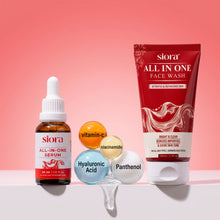
| Niacinamide | Helps soothe redness, support oil control, and reduces inflammation without leaving you raw. Can brighten leftover marks toward even tone. | Harsh sulfates |
| Glycerin | Helps hydrate so you can cleanse without that tight after-feel. | Alcohol-heavy formulas |
| Oil-free, non-comedogenic base | Will not add to the same congestion. | Rough scrubs on a live breakout |
| Tea tree oil as support, not the hero | The combo contains tea tree extract as backup to the acid, not as the main active. | Heavy fragrance and dyes |
| Vitamin E | Shows up on competitor labels as an antioxidant line. Siora does not sell this wash on that claim. | Treating it as the active |
Who it is for: oily skin that shines a few hours after washing, a breakout along the face or jaw, blackheads, hormonal acne that returns on a cycle. Sensitive skin can still use this, just less often, always with moisturizer. Cystic acne that a rinse-off cannot touch needs a dermatologist, not a louder foam.
This gel is not benzoyl peroxide. Benzoyl peroxide is the antibacterial people keep for angry red spots. Full split: BHA versus benzoyl peroxide. Ingredient depth: complete wash guide.
How to pick the right cleanser if you live here
The best face wash is the one you will still use in August, without drying the barrier so it pumps more oil. In Pakistan that means 2% acid, oil-free, a hydrator in the base, and a leave-on behind it.
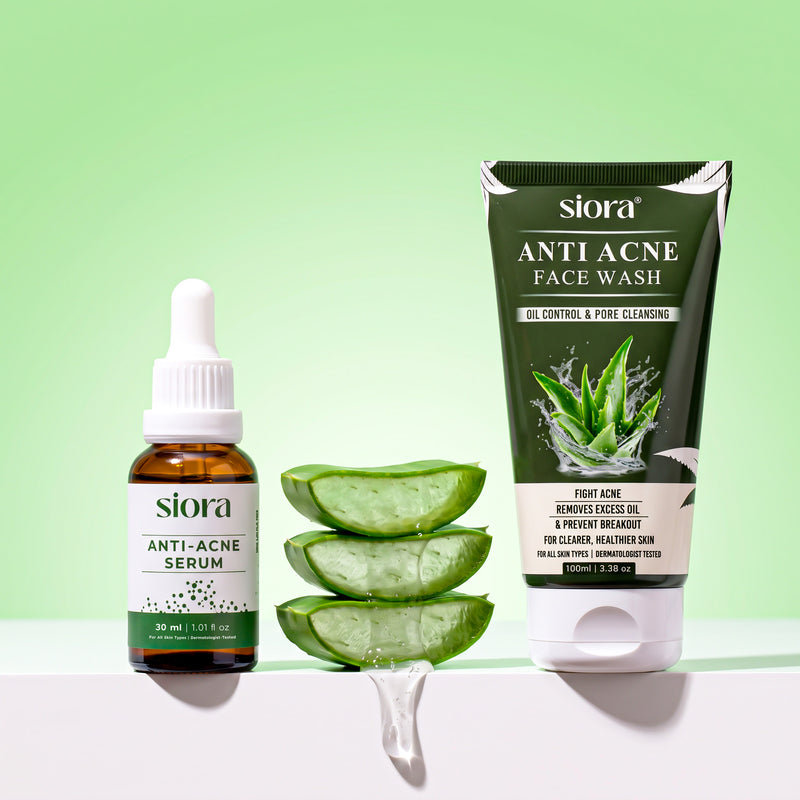
Salicylic Acid Face Wash is that gel. It is sold with Anti-Acne Serum as the Acne Control Combo. Live price on 3 September 2026: Rs 1,590, cash on delivery nationwide. The wash rinses. The serum stays. That pair is the acne-fighting routine, not a single tube.
If shine and oil stretch are the real problem, with little inflammation, use the oil-control combo at the same Rs 1,590. If the complaint is inflamed breakouts, stay on Acne Control. If you already have a cleanser you tolerate, the leave-on is the Anti-Acne Serum.
How to use a face wash in Pakistan
- Lukewarm water. Hot water strips, then the face gets oily to compensate.
- A small amount on damp skin. Work it in circular motions on the T-zone for contact time. Rinse until the foam is gone. Pat dry.
- Serum, then a light moisturizer so you hydrate what you just cleared.
- Morning and evening on oily, resilient skin if the barrier stays calm. Sensitive skin starts a few evenings a week. Always moisturize. Morning: Matte Defense Sunscreen SPF 50 so marks do not darken.
Daily use and regular use are fine when the barrier stays calm. The job of this step is that it purifies skin and refreshes the surface, then gets off. It will not replace a serum. It should not feel like a peel.
What to buy
Buy the Acne Control Combo. Salicylic Acid Face Wash plus Anti-Acne Serum. Rs 1,590. COD. That is the face wash in Pakistan offer this page is built to win, not a standalone wash.