

Key Takeaways
Why Hyaluronic Acid Needs Damp Skin and a Moisturizer on Top
Here is the part that changes everything, and it is the step most people skip. Hyaluronic acid is a humectant, which means it works by attracting and holding water, and that is what makes it such a powerful skincare ingredient. But a humectant has to pull that water from somewhere. Apply hyaluronic acid serum to bone-dry skin in a dry room and it can draw moisture up from the deeper layers of the skin toward the surface, which is the opposite of what you want.
Apply it while your face is still slightly wet and the math changes. Now there is surface water for the serum to grab, so hyaluronic acid helps draw that moisture into the upper layers of the skin rather than stealing it from below. That single habit, hyaluronic acid on damp skin, is the difference between a serum that plumps and one that leaves your skin feeling tight.
The second half of the step is the seal. Water still evaporates, so once the serum has absorbed you need to use a moisturizer over the top to lock everything in. Think of the serum and moisturizer as a team: the serum pulls water in, the cream stops it escaping. Skip the moisturizer and even a perfect application can fade within the hour. Do both and your skin stays hydrated long after.
How to Apply Hyaluronic Acid Serum: Step by Step
Knowing how to apply hyaluronic acid serum is mostly about timing and texture. Here is the routine that gets the most out of every drop.
- Cleanse your face. Start with clean skin so nothing blocks absorption. A gentle wash also clears away dead skin and excess oil that can sit on the surface.
- Leave your skin damp. Do not towel off completely. Pat lightly so your face is still slightly wet, or mist it with water or a hydrating toner. That bit of moisture is what makes hyaluronic acid work.
- Apply hyaluronic acid serum. Press two to three drops over your face and neck while skin is still damp. Pat it in gently rather than rubbing, and give it a few seconds to absorb.
- Seal with a moisturizer. Within about a minute, smooth on a moisturizer to trap the water. This is the step people skip, and it is the one that keeps skin hydrated.
- Finish with SPF in the morning. In your daytime skincare routine, sunscreen goes last. It protects the hydrated, plump skin you just built.
That is the whole method. Cleanse, dampen, apply hyaluronic acid serum, seal, protect. Five steps, and the serum quietly does the rest.
When to Use Hyaluronic Acid Serum: Morning and Night
One of the easiest questions to answer is when to use hyaluronic acid serum, because the answer is morning and night if you like. Unlike stronger actives, hyaluronic acid does not increase sun sensitivity and does not need a rest day, so you can safely use a hyaluronic acid serum twice a day as part of your daily skincare routine.
In the AM, hyaluronic acid helps your skin feel plump and smooth under makeup or sunscreen, and the hydration it adds gives skin a fresh, dewy finish. In the PM, it pairs with your moisturizer to support overnight recovery while you sleep. If you only have time for one application, evening is a fine default, but adding the morning step is where a lot of people see their skin look its best. Consistency matters more than quantity, so a steady twice-daily habit beats one heavy-handed session.
Layering Order: Where Hyaluronic Acid Fits With Niacinamide, Vitamin C, and Retinol
Hyaluronic acid plays well with almost everything, which is why it shows up in so many skincare routines. The trick to layering hyaluronic acid is the same rule that governs the rest of your products: go from thinnest to thickest, water-based before oil-based. Once you incorporate hyaluronic acid this way, the rest of the routine falls into place.
| Step | Product | Why this order |
|---|---|---|
| 1 | Cleanser | Clears oil and dead skin cells so the next layers absorb. |
| 2 | Vitamin C serum (AM) | A thin, water-based antioxidant goes on early. Vitamin C and hyaluronic acid layer well together. |
| 3 | Hyaluronic acid serum | Apply to damp skin to pull water into the upper layers of the skin. |
| 4 | Niacinamide serum | Balances oil and supports the skin barrier. Niacinamide and hyaluronic acid are a classic pair. |
| 5 | Retinol (PM only) | A heavier active for evenings. Hyaluronic acid underneath helps buffer dryness. |
| 6 | Moisturizer | Seals everything in. Always the last skincare step before SPF. |
A couple of pairings are worth calling out. Niacinamide and hyaluronic acid work beautifully back to back: hyaluronic acid hydrates, niacinamide balances and strengthens. Vitamin C and hyaluronic acid are also a smart combo, since the C serum protects and brightens while the hydrating serum keeps things comfortable. With retinol, applying hyaluronic acid first softens the dryness it can cause. You do not have to use every step, but knowing where each one sits makes it easy to incorporate hyaluronic acid into whatever you already own.
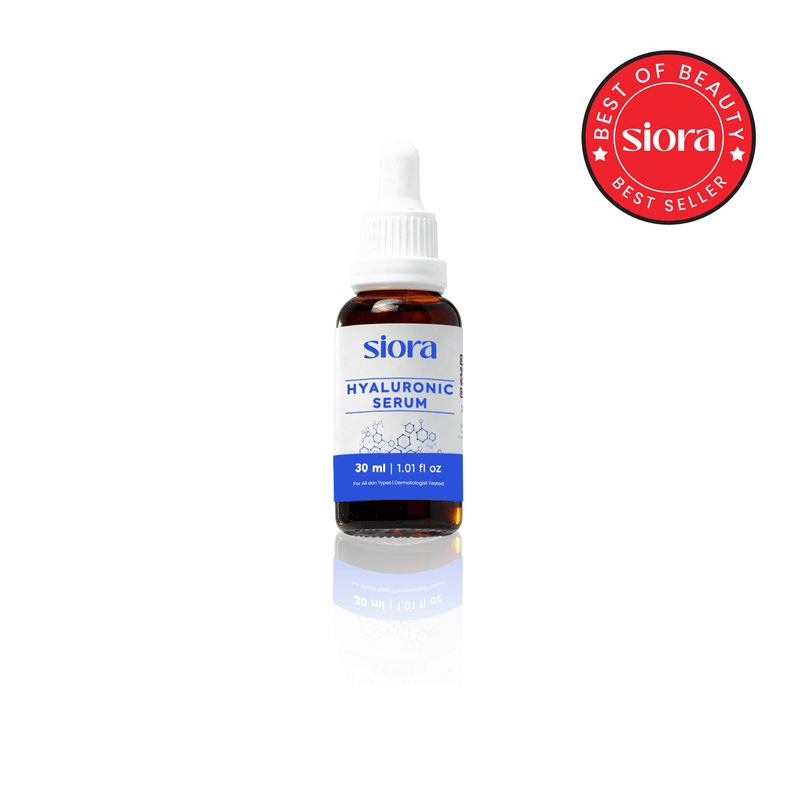
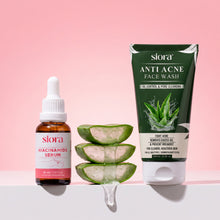
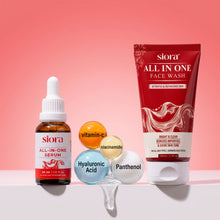
If you want a single bottle to anchor this step, Siora's Hyaluronic Acid Serum (Deep Hydration, Plumping Care) is built to layer cleanly under the rest of your routine. To pair it with a barrier step, our Niacinamide Serum (Balance Oil, Refine Pores) slots in right after.
How It Works for Each Skin Type
Part of why this skincare ingredient is so popular is that topical hyaluronic acid suits almost everyone. Because it adds water without adding oil, the same hyaluronic acid product behaves well across very different skin. Here is how it lands depending on your skin type.
- Dry skin: The obvious win. For dry skin, hyaluronic acid helps the skin hold on to water, which softens the rough, flaky feel and the look of fine lines. Always seal with a richer moisturizer to keep skin hydrated longer.
- Oily skin: Oily skin is often dehydrated underneath, which can trigger even more oil. A lightweight hydrating serum adds the water that oily skin lacks without a greasy finish, so it is a smart way to hydrate skin without clogging pores.
- Combination skin: Evens things out by hydrating dry patches while staying light enough for the oilier zones. Most people find their skin feel more balanced within a couple of weeks.
- Sensitive skin: Among the gentlest options in skin care. Hyaluronic acid rarely irritates, so adding hyaluronic acid is a low-risk way to build hydration before introducing stronger actives.
- Mature skin: As the skin naturally holds less water with age, the plumping effect makes fine lines and wrinkles look softer. It will not erase a wrinkle, but consistent use keeps skin looking fuller and more supple.
Whatever your skin type, the application rules do not change: damp skin first, moisturizer on top. That is what makes the benefits of hyaluronic acid show up reliably rather than by luck.
Mistakes That Dry You Out
Most complaints about hyaluronic acid come down to a few avoidable habits. Knowing what not to do is half of learning how to use hyaluronic acid serum well.
- Applying to fully dry skin. The biggest one. On a parched face in dry air, the serum can pull water from deeper layers, which is why some people feel tight afterward. Always apply it to damp skin.
- Skipping the moisturizer. Without a cream to seal it, the water hyaluronic acid attracts simply evaporates. The serum and moisturizer belong together; one without the other underdelivers.
- Using too much product. More serum is not more hydration. Two to three drops is plenty, and flooding your face just wastes product.
- Layering it over heavy creams. If you apply hyaluronic acid on top of a thick moisturizer, it cannot reach the skin. Remember the thin-to-thick rule and use hyaluronic acid early in the routine.
- Forgetting it pairs, not competes. Some people drop other actives thinking they clash. They do not. Use a moisturizer, keep your vitamin C, add niacinamide, and let hyaluronic acid sit happily among them.
Fix these and the difference is immediate. The same bottle that once left skin tight starts to keep skin hydrated all day, simply because the method changed.