


Key Takeaways
Can You Use Niacinamide and Vitamin C Together in Your Skincare Routine?
Yes. You can safely use niacinamide with vitamin C in the same skincare routine, and for many people they work well together, better as a pair than either does alone. Vitamin C is a potent antioxidant that brightens and helps protect the skin from free radical damage, while niacinamide soothes, strengthens the skin barrier and controls oil. They cover different jobs, so combining niacinamide with vitamin C in your skincare routine gives you both, and adding another product is not always necessary if you choose a formula that contains both.
The belief that you should not mix them traces back to studies from the 1960s. Those experiments did not use niacinamide at all. They combined niacin, also called nicotinic acid, a different form of vitamin B3, with pure ascorbic acid. The mixture was heated to temperatures approaching 100 degrees Celsius, held there for hours, at concentrations far higher than anything in a cosmetic formula. Under those conditions the two can react and produce more nicotinic acid, which causes temporary skin flushing and redness.
Not one of those conditions exists on a human face. Your skin is around 33 degrees, your serum sits on it for minutes rather than hours, and the concentrations are a fraction of what was tested. Modern stabilised forms of vitamin C make the question even less relevant. Ethyl ascorbic acid, the form in the Siora Vitamin C Serum, is a derivative that stays stable at a skin-friendly pH and does not trigger the reaction the original work warned about.
What Vitamin C and Niacinamide Each Do for Skin
Vitamin C and niacinamide are two popular skincare ingredients that get confused because both promise a brighter, more even skin tone. They get there by different routes, and knowing the difference is what tells you which skin care products to buy.
Niacinamide (Vitamin B3)
Niacinamide is a form of vitamin B3 that regulates oil production, reduces the appearance of enlarged pores, and reinforces the skin barrier so it holds moisture and tolerates other actives. Niacinamide helps skin look calmer and more even within a few weeks, and niacinamide can be used morning or night. Topical niacinamide also helps fade the dark marks acne leaves behind by slowing pigment transfer to the surface, and niacinamide can help calm the redness that comes with breakouts. It is well-tolerated by most skin types, including sensitive skin, which is why products that contain niacinamide are a safe starting point for beginners. For the full picture, read what niacinamide does for skin.
Vitamin C
Vitamin C is a potent antioxidant that helps protect your skin from free radicals and environmental stressors like sunlight and pollution. It brightens dull skin, fades existing dark spots and supports collagen, which helps with fine lines over time. Vitamin C enhances the effect of sunscreen, and many vitamin C formulas pair it with vitamin E to help your skin look brighter and to shield skin from environmental stressors. Forms of vitamin C vary. Pure L-ascorbic acid works fast but degrades quickly and can sting. Stable derivatives like ethyl ascorbic acid hold up in heat and suit more skin types. The deeper guide is in vitamin C serum benefits.
Niacinamide vs Vitamin C Serum: Side-by-Side
If you only read one block on this page, read this table. It is the fastest way to see which ingredient answers which problem, and where the two overlap.
| Comparison | Niacinamide | Vitamin C |
|---|---|---|
| Main job | Oil control, pore refining, barrier repair | Brightening, antioxidant protection, collagen support |
| Best for | Oily, combination and acne-prone skin | Dull, tanned or sun-damaged skin with dark spots |
| Time of day | Morning or night | Morning, under sunscreen |
| Typical strength | 5% to 10% in serums | 10% to 20% depending on form |
| Works on dark spots | Yes, post-acne marks especially | Yes, sun spots and uneven tone especially |
| Works on oil and pores | Yes, its strongest effect | No |
| Sensitivity risk | Very low | Low with derivatives, moderate with pure L-ascorbic acid |
| Siora product | Niacinamide Serum (Balance Oil, Refine Pores), 10%, Rs 1,290 | Vitamin C Serum (Brighten, Protect), 15% ethyl ascorbic acid, Rs 990 |
The pattern is simple. Niacinamide handles what the skin produces: oil, congestion, the marks left after a breakout. Vitamin C handles what the environment does to it: dullness, tanning, pigment from the sun.
Which Skincare Products Do You Need: Niacinamide, Vitamin C or Both?
Match the skincare ingredient to your main concern, not to whichever one you saw recommended last. Here is the short version, whether you are incorporating niacinamide for the first time or already use a vitamin C serum. If your concern is not listed, the ingredient guide by skin concern covers every serum in the range.
- Oily skin, large pores, active breakouts: niacinamide. It slows oil production and calms redness without the dryness that stronger acne treatments cause. The Niacinamide Serum is the single-ingredient pick here.
- Dullness, tanning, dark spots, uneven tone: vitamin C. It evens out skin tone and protects against the sun damage that keeps creating new spots. The Vitamin C Serum is built for this.
- Old acne marks and discolouration: both. Niacinamide fades the mark itself, and vitamin C brightens the tone around it so the mark stops standing out.
- Sensitive or barrier-damaged skin: niacinamide first, on its own, for three to four weeks. Once skin settles and stops reacting, add vitamin C in the morning.
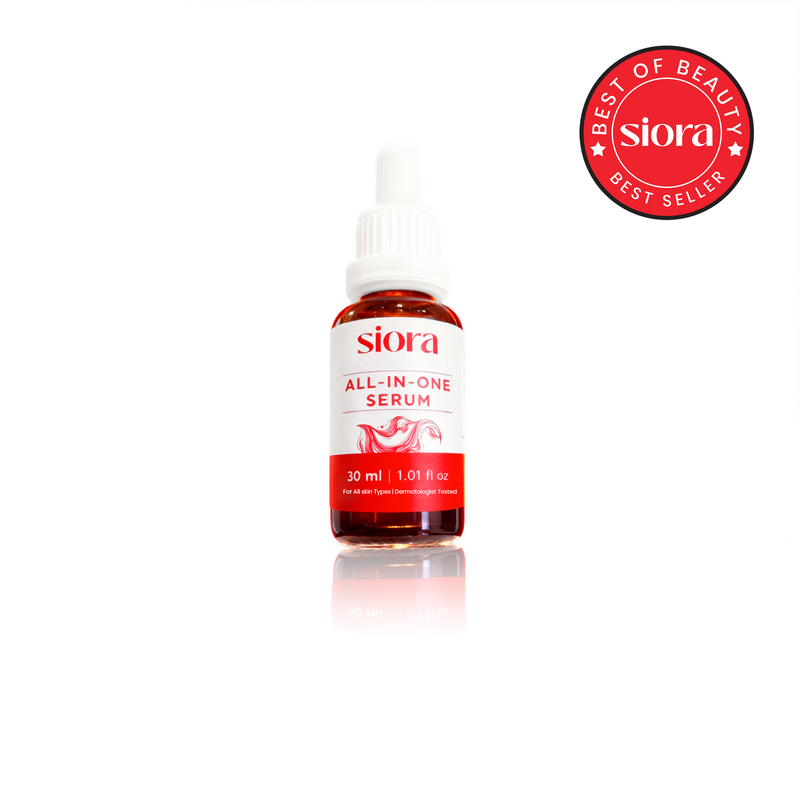
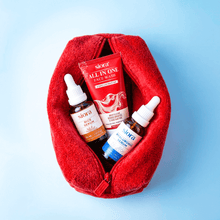
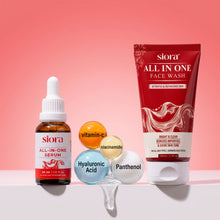
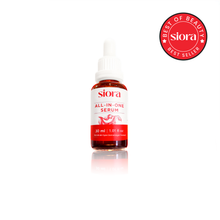
- Beginner, unsure, or you want one bottle: the All-in-One Face Serum. It combines niacinamide at 10% with vitamin C and hyaluronic acid in a single formula, so the layering question disappears.
Most people in Pakistan with combination skin land in the third or fifth group. Oil through the T-zone, marks from past breakouts, and a general dullness from sun exposure is a very common profile, and it is the profile that benefits from using both ingredients rather than choosing.
How to Layer Vitamin C and Niacinamide: Which Goes First?
Vitamin C first, then niacinamide. The reason is not pH. Stable vitamin C derivatives do not need a low pH to work. The reason is simpler: serums go on thinnest to thickest, and vitamin C needs to reach bare skin so nothing dilutes it before it absorbs. This is the order to layer vitamin C and niacinamide whether you use them together every morning or only a few days a week.
- Cleanse. Wash your face and pat it dry. Vitamin C goes on clean, dry skin, not damp skin.
- Apply your vitamin C first. Press two to three drops over the whole face and let it settle for a minute.
- Apply niacinamide on top of vitamin C. Two to three drops, pressed in the same way. If you also use hyaluronic acid, it slots between the two. See layering niacinamide with hyaluronic acid for that order.
- Moisturise, then sunscreen in the morning. Sunscreen is always the last step of the AM routine.
How Long Should You Wait Between Vitamin C and Niacinamide?
One to two minutes is ideal. Back-to-back application is fine for most people and will not cause either ingredient to stop working. Nobody needs a timer. If the vitamin C still feels wet, give it a moment. If it has settled into the skin, go ahead.
In Pakistani heat and humidity, the practical answer leans towards waiting. Two serums layered back-to-back on a humid morning can feel heavy and take longer to dry, which is the point where people start skipping steps. A minute of absorption between the two keeps the routine light enough to repeat every day.
How to Use Vitamin C With Niacinamide in Your AM and PM Routine
You do not need to use both ingredients twice a day. The simplest way to use vitamin C with niacinamide puts vitamin C in the morning and niacinamide at night, with an overlap in the morning if your skin handles it. Daily use is what delivers results, so pick the version you will actually repeat.
| Step | Morning (AM) | Evening (PM) |
|---|---|---|
| 1. Cleanse | Gentle cleanser, pat dry | Gentle cleanser, pat dry |
| 2. Vitamin C | Two to three drops on dry skin, wait a minute | Skip. Vitamin C is a morning step |
| 3. Niacinamide | Two to three drops on top, if your skin tolerates both | Two to three drops. This is its main slot |
| 4. Moisturiser | Light, gel texture in humid weather | Moisturiser, or retinol on retinol nights |
| 5. Sunscreen | SPF 50+, always the last step | Not needed |
The sunscreen step is not optional. Vitamin C is an antioxidant, not a UV filter, and it cannot replace SPF. Without daily sun protection, the sun creates new pigment faster than any serum can fade the old. At night, niacinamide does the oil-regulating and barrier work while you sleep, and it is the ingredient that layers safely with retinol if you use one. Vitamin C and retinol are a separate question, covered in retinol and vitamin C. Skip vitamin C on retinol nights and keep vitamin C in your routine as a morning step.
Can you use vitamin C in the morning and niacinamide at night only, with no overlap? Yes. That split is the gentlest way to use both ingredients and it suits sensitive skin and anyone new to actives. The results are the same over eight to twelve weeks, just with a lower chance of any skin irritation, and the appearance of your skin improves on the same timeline either way.
Can You Get Niacinamide and Vitamin C in One Serum?
Yes. The Siora All-in-One Face Serum (Balance, Repair, Glow) contains niacinamide at 10%, vitamin C, hyaluronic acid, panthenol (vitamin B5) and allantoin in one formula, at Rs 990. It suits beginners and anyone who wants both ingredients in one product that contains them at working strengths, without layering two skincare products. If you already use one of the two and want to add the other, start with the single-ingredient serum for your main concern and build from there. Browse all face serums by skin concern to compare.