

Key Takeaways
What Niacinamide and Hyaluronic Acid Each Do
Before you start layering niacinamide and hyaluronic acid, it helps to know what each ingredient is actually for. They get grouped together because they pair so well, but they solve different problems, and that is exactly why they make such a good team.
Niacinamide (Vitamin B3)
Niacinamide is a form of vitamin B3, a water-soluble vitamin that absorbs quickly without any greasy feel. In a serum it is a quiet multitasker: niacinamide helps regulate oil, minimizes the look of pores, fades dark spots and uneven skin tone, and strengthens the skin barrier by boosting ceramide production. Because niacinamide strengthens that barrier, it keeps skin calm and is one of the most tolerable actives you can use. Niacinamide 10 percent exists for very oily, resilient skin, but most people do well with a lower, gentler concentration. If you want the full picture, our guide to niacinamide serum benefits covers everything this single vitamin does.
Hyaluronic Acid
Hyaluronic acid is a hydrator, not an exfoliating acid like salicylic acid, so the word "acid" can be misleading. It is a humectant, which means it acts like a sponge and can hold many times its weight in water. Hyaluronic acid hydrates by pulling moisture into the upper layers of the skin, which plumps the surface, softens fine lines, and leaves skin looking fresh. A lightweight serum is the easiest way to use hyaluronic acid, and it suits dry skin, dehydrated skin, and oily skin alike. For more on choosing one, see our pillar guide to the best hyaluronic acid serum.
Why Niacinamide and Hyaluronic Acid Work Well Together
The reason niacinamide and hyaluronic acid together feel like such a natural match comes down to two things: they are complementary, and they are both gentle.
They are complementary because they target different needs. Hyaluronic acid hydrates the skin, flooding it with water, while niacinamide can help lock that hydration in by reinforcing the skin barrier. Hydration without a strong barrier leaks away quickly, and a strong barrier without hydration still feels tight. Use hyaluronic acid for the water, niacinamide for the wall that holds it, and you get skin that stays hydrated for longer. Over time this combination supports a healthier glow, a smoother skin texture, and a more even skin tone.
They are also both gentle, which is the other half of the story. Neither ingredient relies on a low pH or a harsh mechanism to work, so there is no risk of one deactivating the other the way some actives can clash. This is very different from pairing strong exfoliants together. Both are suitable for all skin types, including sensitive skin, which is why this duo shows up in so many routines. If anything, niacinamide helps make the whole routine more comfortable, since a stronger barrier means less reactivity.
The Correct Layering Order: Thinnest to Thickest
The golden rule for layering any serum is thinnest to thickest. Lighter, water-based formulas go first so they can reach the skin, and richer textures go on top to seal everything in. For niacinamide with hyaluronic acid, that usually means hyaluronic acid first, then niacinamide, then your moisturizer. Here is the full order in your skincare routine:
- Cleanse. Wash your face and pat it until it is just damp, not bone dry. Hyaluronic acid works best on slightly damp skin because it has water nearby to pull in.
- Apply hyaluronic acid first. Press a hyaluronic acid serum over damp skin. This is the hydration layer, so it goes on before anything heavier. Applying hyaluronic acid first gives the rest of your routine a hydrated base to build on.
- Apply niacinamide. Follow with a few drops of niacinamide serum. It absorbs fast and helps the barrier hold onto the water you just added.
- Lock it in with moisturizer. A moisturizer is the thickest step, so it goes last to seal both serums against the skin and slow water loss through the day or night.
- Finish with SPF in the morning. During the day, always end with sunscreen. It protects the skin barrier you are working to strengthen.
That is the standard niacinamide hyaluronic acid order, and it works for almost everyone. If you ever wonder which goes first, niacinamide or hyaluronic acid, remember the thinnest-to-thickest rule and reach for hydration first.
Your AM and PM Routine
Both ingredients are flexible enough to use morning and night, so you can run them in either routine or both. Here is a simple way to fit niacinamide and hyaluronic acid into your day.
| Step | Morning (AM) | Evening (PM) |
|---|---|---|
| 1. Cleanse | Gentle cleanser, pat damp | Gentle cleanser, pat damp |
| 2. Optional toner | A hydrating toner if you use one | A hydrating toner if you use one |
| 3. Hyaluronic acid | Apply hyaluronic acid first to hydrate | Apply hyaluronic acid first to hydrate |
| 4. Niacinamide | Apply niacinamide to balance and protect | Apply niacinamide to balance and protect |
| 5. Treat (optional) | Vitamin C serum to brighten, if you use one | Retinol or another night active, if you use one |
| 6. Moisturize | Lightweight moisturizer | Richer night moisturizer |
| 7. Protect | Sunscreen (essential) | Not needed at night |
A quick note on vitamin C: a vitamin C serum sits comfortably in the same routine as this pair. Modern formulas let you use vitamin C and niacinamide together without issue, but if your skin is sensitive you can keep vitamin C in the morning and lean on niacinamide at night. The hyaluronic acid layer plays nicely with all of them.
Who Benefits Most
One of the best things about this combination is that it is suitable for all skin types. Still, certain skin types see an especially clear payoff.
- Oily and combination skin: Niacinamide controls oil and refines pores, while hyaluronic acid adds water without grease. You get hydration that never feels heavy.
- Dry and dehydrated skin: Hyaluronic acid floods the skin with moisture and niacinamide helps the barrier hold it, so dry skin stays hydrated far longer.
- Sensitive skin: Both ingredients are gentle, so this is a low-risk way to improve skin without the sting of stronger actives. Niacinamide strengthens the barrier, which often makes sensitive skin calmer over time.
- Uneven skin tone and texture: Niacinamide brightens and evens uneven skin tone, and plumper, hydrated skin reads as smoother, helping soften the look of fine lines.
Can You Use One Product With Both?
Plenty of formulas now combine niacinamide and hyaluronic acid in a single bottle, and that can be a tidy shortcut if you want fewer steps. A well-made all-in-one face serum delivers hydration and barrier support at once, which suits a minimal routine.
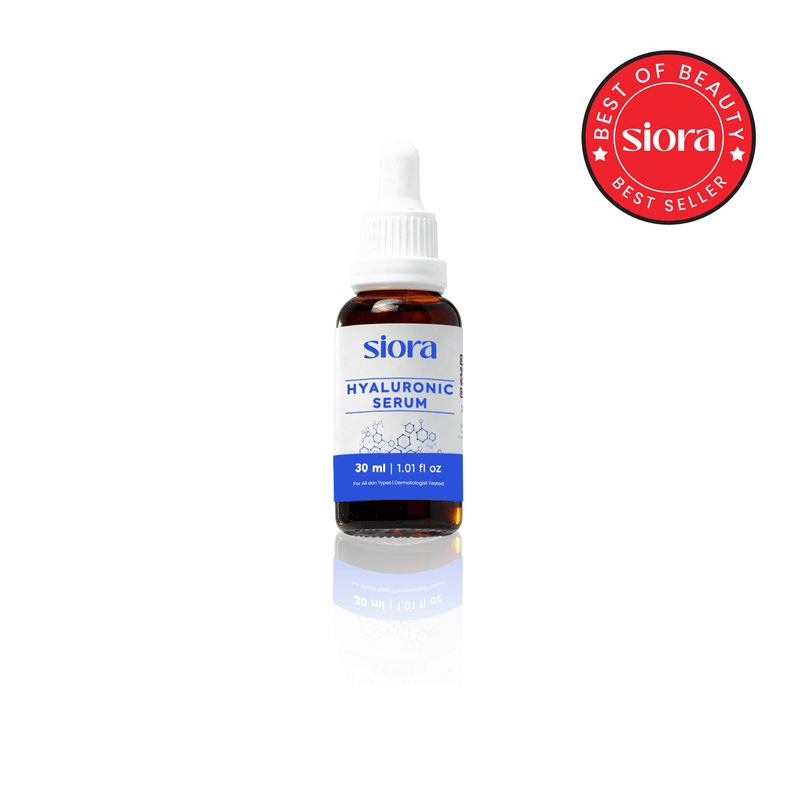
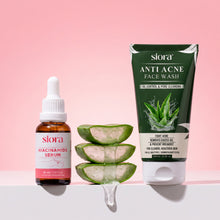
That said, using two separate serums gives you more control. You can adjust how much hyaluronic acid you apply on a dry, dehydrated day, or reach for more niacinamide when your skin is oily and congested. Siora's formulation team designed both as standalone, lightweight serums so you can layer them at your own pace. Our Hyaluronic Acid Serum (Deep Hydration, Plumping Care) handles the water step, and our Niacinamide Serum (Balance Oil, Refine Pores) handles oil and barrier support. Both are Rs 1,390, so building the full pair stays affordable.