

Key Takeaways
What Vitamin C Does for Your Skin
Vitamin C is a water-soluble antioxidant, and a vitamin C serum delivers it straight to the skin's surface where you want the results. Its main job is defense. Every day your skin gets hit by free radicals, unstable molecules from UV rays and pollution that break down healthy skin cells and speed up the signs of aging. Using vitamin C neutralizes those free radicals before they cause damage, which is why a vitamin C serum is such a strong morning step.
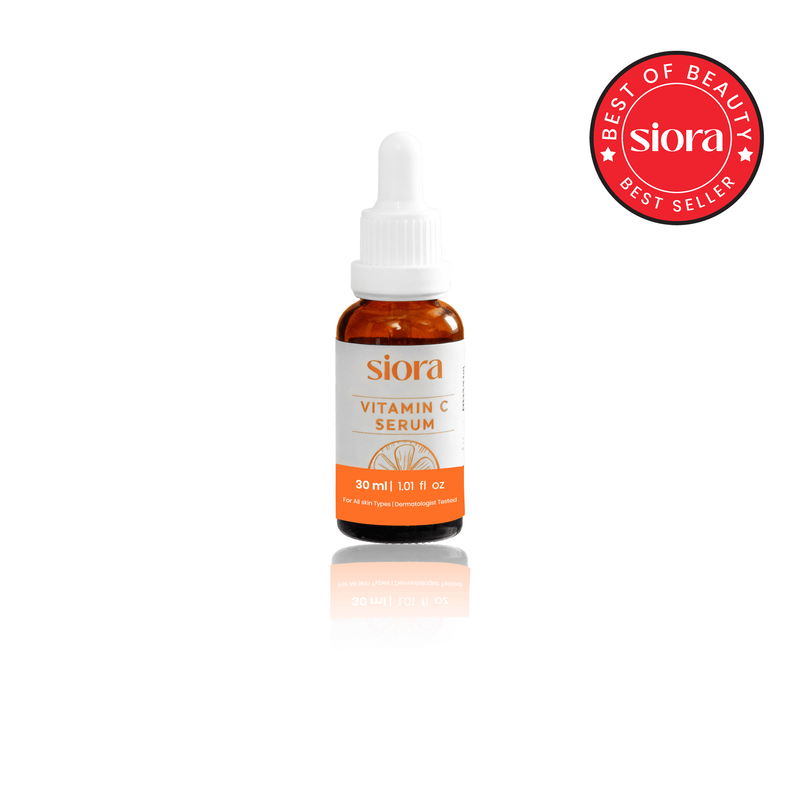
Beyond protection, vitamin C brightens. It interrupts the pathway that creates excess pigment, so a vitamin C serum helps fade dark spots and even out skin tone over time. It also supports collagen production, the protein that keeps skin firm, so it plays a quiet anti-aging role too. If brightening and daytime defense are your top skin concerns, our Vitamin C Serum (Brighten & Protect) at Rs 1,390 was built for exactly that. For a deeper look, our guide to vitamin C serum benefits covers it in full.
What Retinol Does for Your Skin
Retinol is a vitamin A derivative, and it's one of the most studied anti-aging ingredients in skin care. Where vitamin C defends, retinol renews. It works by speeding up cell turnover, the process where your skin sheds old, tired cells and brings fresh ones to the surface. Faster turnover means smoother skin texture, fewer clogged pores, and over time, softer fine lines and wrinkles.
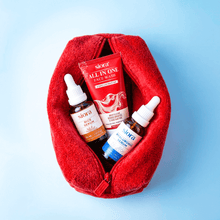
Retinol also nudges your skin to make more collagen, so consistent use helps with firmness and the overall look of aging skin. As a bonus, because it keeps pores clear and turnover steady, retinol can help with acne and the marks it leaves behind. It's powerful, which is also why it belongs at night: retinol can make skin more sun-sensitive, and sunlight breaks it down. A gentle retinol serum like our Retinol Serum (Renew & Smooth) at Rs 1,690 is an easy way to start. New to it? Our retinol serum beginners guide walks through how to use retinol without irritating your skin.
Retinol vs Vitamin C: Side-by-Side Comparison
Here's the quick version. This table lays out retinol and vitamin C side by side so you can see why they aren't really competitors. Use it to match each ingredient to your own skin type and goals.
| Vitamin C | Retinol | |
|---|---|---|
| Main benefit | Brightens, fades dark spots, antioxidant defense, supports collagen | Smooths fine lines and wrinkles, boosts cell turnover, firms skin |
| When to use | Morning (vitamin C in the morning, before SPF) | Night (retinol at night) |
| Best for | Dullness, dark spots, uneven skin tone, daily protection | Fine lines, wrinkles, rough texture, acne and signs of aging |
| Sensitivity | Generally gentle; gentler derivatives exist for sensitive skin | Can cause dryness or flaking at first; start low and slow |
So when people ask "retinol or vitamin C," the honest answer is that vitamin C and retinol solve different problems. If you only want one to start, choose based on your main concern: vitamin C for brightness and dark spots, retinol for fine lines and texture.
Can You Use Retinol and Vitamin C Together?
Yes, you can use retinol and vitamin C together, and plenty of routines do. The old worry was that the two would cancel each other out or cause too much irritation. Modern thinking is simpler: keep them in separate parts of the day. Use vitamin C in the morning and retinol at night, and you get the full benefit of both without overloading your skin.
Why the AM/PM split works so well comes down to what each ingredient wants. Vitamin C performs best in daylight, where its antioxidant protection works alongside sunscreen to defend against free radicals. Retinol prefers darkness, since light degrades it and it can make skin more sun-sensitive. Putting retinol and vitamin C in the same step can leave sensitive skin red and flaky, but spacing them out sidesteps that entirely. If you'd rather not juggle two actives at once, start with vitamin C for a few weeks, then introduce retinol once your skin is settled.
Which Should You Start With First?
If you're building a routine from scratch and can only add one new serum, start with vitamin C. It's the gentler of the two, it suits most skin types, and the antioxidant and brightening benefits show up without much fuss. A vitamin C serum is an easy daily habit, and it pairs naturally with the sunscreen you should already be wearing.
Once your skin is comfortable with vitamin C, usually after two to four weeks, you can add retinol at night. Begin with the best retinol approach for beginners: apply it two nights a week, then slowly build up as your skin adjusts. This staggered start lets you spot any sensitivity before it becomes a problem. If you have very reactive or sensitive skin, give vitamin C even longer before layering in retinol, and keep your retinol frequency low. Patience here pays off; both ingredients reward consistency far more than intensity.
How to Layer Vitamin C and Retinol Across Your Routine
Here's how to use vitamin C and retinol across a full day. The key is the AM/PM split, with hydration and sun protection doing the supporting work. A hyaluronic acid serum is a great optional add-on, since it hydrates and buffers the skin against any retinol dryness.
- Cleanse. Start with a clean, dry face.
- Vitamin C serum. Press 3 to 4 drops of your vitamin C serum evenly across your face. This is the antioxidant step that helps protect skin all day.
- Hyaluronic acid (optional). A few drops of a hyaluronic acid serum to hydrate before you seal everything in.
- Moisturize. Lock in the layers.
- Sunscreen. Always finish with SPF. Our guide to the best sunblock for every skin type helps you pick one you'll actually wear.
Evening routine
- Cleanse. Remove the day, sunscreen and all.
- Retinol serum. Apply a pea-sized amount of retinol. Start two or three nights a week and build up.
- Hyaluronic acid (optional). Layer hyaluronic acid to keep skin hydrated and calm.
- Moisturize. A richer night moisturizer helps offset any retinol dryness.
A few extra notes to improve skin results and keep things comfortable. Don't pile on every active at once; vitamin E in your formulas pairs nicely with vitamin C, but heavy exfoliating acids like salicylic acid are best kept on separate nights from retinol. If your skin feels tight, scale retinol back to fewer nights rather than quitting. And remember that both vitamin C and retinol work over months, not days, so give your routine time to show fine lines softening and skin texture smoothing out.