

Key Takeaways
How to Use Vitamin C Serum in Your Skincare Routine, Step by Step
Vitamin C does its best work in the morning, under sunscreen. Using vitamin C in this order gets the most out of every drop.
- Cleanse and pat dry. Use a gentle face wash, such as our Vitamin C Face Wash. Vitamin C goes on clean, dry skin.
- Apply two to three drops. Press them over your face and neck.
- Wait a minute. Let the serum settle before the next layer.
- Moisturise. A light moisturiser keeps skin comfortable.
- Finish with SPF 50. Use two finger lengths for the face and neck, and reapply if you're outdoors.
Benefits of Vitamin C for Your Skin
Knowing what vitamin C does explains why the routine above works.
- Protects your skin from free radicals. Vitamin C is an antioxidant. It neutralises the free radicals that UV light and pollution create, which is why it belongs in a morning routine.
- Fades hyperpigmentation. It slows the pigment that causes dark spots, acne marks and sun damage, so spots fade gradually.
- Evens skin tone. With fewer dark patches, skin tone looks more even and the complexion looks brighter.
- Supports collagen. Skin needs vitamin C to make collagen, which keeps it firm and smooth over time.
Some vitamin C serums add vitamin E and ferulic acid, a pairing that research has shown makes vitamin C more stable and more protective. Other formulas use a stabilised form of vitamin C instead, which is the approach covered below.
Want to know what vitamin C actually does before you start? Read our guide to vitamin C serum benefits.
Morning or Night: When to Apply Vitamin C Serum
Morning is the better choice for most people. Vitamin C is an antioxidant, and it helps shield skin from the sun and pollution you meet during the day. Night use still works, but you lose that daytime protection.
| Routine | Works? | Why |
|---|---|---|
| Morning | Best | Antioxidant protection during sun and pollution exposure |
| Night | Optional | Still brightens, but keep retinol nights separate |
| Both | Only if your skin tolerates it | Most people get enough from one morning dose |
How Much Vitamin C Serum to Use and How Often
Two to three drops cover the face and neck. Once a day is enough for most people.
Should you use vitamin C serum every day? Yes. Daily use gives the best results, because its antioxidant protection lasts about a day.
A mild tingle is normal, especially for first-time users. If you have sensitive skin, start every other morning and build up. If the tingle turns into burning or redness that doesn't settle, stop and let your skin recover.
Which Skin Type Suits Vitamin C Serum?
Every skin type can use vitamin C. What changes is how you build it in.
| Skin type | How to use vitamin C |
|---|---|
| Oily or acne-prone | A lightweight serum every morning, with an oil-free moisturiser and sunscreen |
| Dry | Follow with a richer moisturiser, or pair with hyaluronic acid |
| Sensitive | Start every other morning and build up over two weeks |
| Combination | Apply across the face, with a lighter layer of moisturiser on the T-zone |
How Long Vitamin C Serum Takes to Work
For the best results, use it every morning for at least eight weeks. Skin often looks brighter within three to four weeks. Dark spots and hyperpigmentation take longer, usually eight to twelve weeks, and only if you protect your skin with sunscreen every day.
What to Pair With Vitamin C
| Pair with | Works together? | How to use them |
|---|---|---|
| Niacinamide | Yes | Vitamin C first, then niacinamide |
| Hyaluronic acid | Yes | Adds hydration in the same routine |
| Retinol | Yes, at different times | Vitamin C in the morning, retinol at night |
| Sunscreen | Essential | SPF 50 every morning, on top of vitamin C |
For layering details, see niacinamide and vitamin C together and retinol vs vitamin C. If breakouts are your main concern, read whether vitamin C serum helps acne.
Mistakes to Avoid When Using Vitamin C Serum
- Skipping sunscreen. Sun exposure keeps creating new dark spots, so vitamin C can't keep up without SPF.
- Using it with retinol in the same routine. Keep them apart: vitamin C in the morning, retinol at night.
- Leaving the bottle in heat or sunlight. Close the cap and store it somewhere cool and dark.
- Using too much. More drops won't brighten faster.
- Expecting it to lighten your skin. Vitamin C evens tone and fades spots. It doesn't bleach.
Choosing a Vitamin C Serum for Pakistani Weather
Pure vitamin C (L-ascorbic acid) oxidises quickly, especially in heat, and loses strength as it turns yellow or orange. Stabilised forms, such as ethyl ascorbic acid, hold up better in a Pakistani summer.
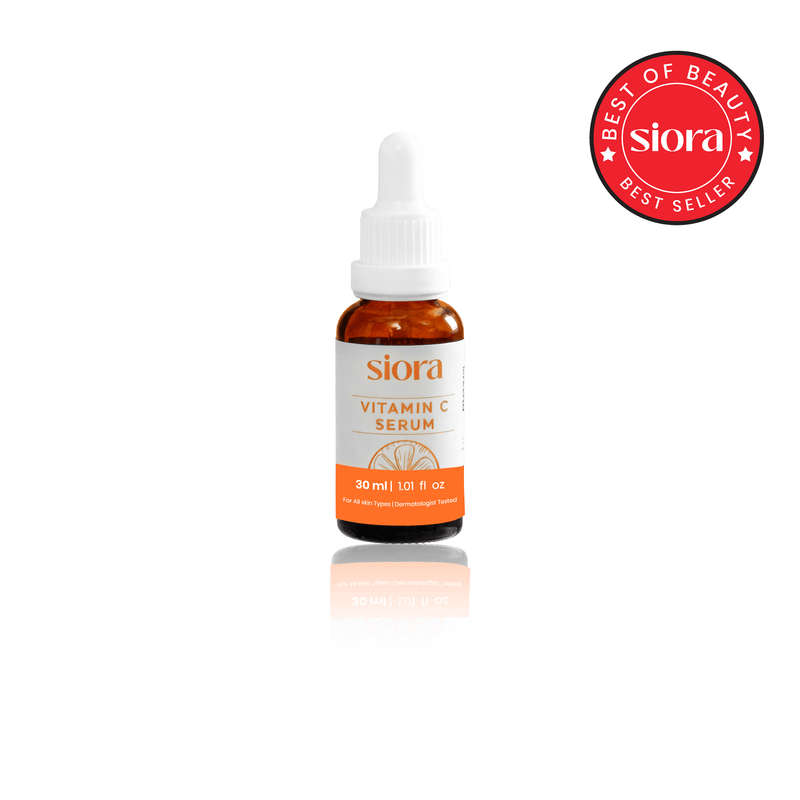
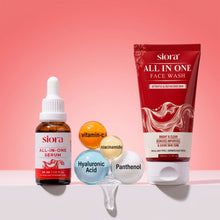
Siora Vitamin C Serum uses 15% ethyl ascorbic acid with niacinamide and hyaluronic acid. For morning protection, the Brighten & Protect Combo pairs it with SPF 50+ sunblock.
| Product | What's inside | Best for | Price |
|---|---|---|---|
| Vitamin C Serum (30 ml) | 15% ethyl ascorbic acid, niacinamide, hyaluronic acid | Dull skin, dark spots, uneven tone | Rs 990 |
| Brighten & Protect Combo | Vitamin C Serum plus SPF 50+ sunblock | A complete morning routine | Rs 1,590 |
Both come with cash on delivery across Pakistan.
Reality Check: What a Real User Says About Siora Vitamin C Serum
Muqadas Haider (@muqadashaiderofficial on Instagram) reviewed Siora Vitamin C Serum in a reel made with products from Siora. Here's what she got right, and where her claims need a reality check.
- On why people doubt it: "Everyone thinks vitamin C serum gives no special results." Most of the time that's because it was used without sunscreen, which is her next point.
- On sunscreen: "If you don't protect your skin with sunscreen, you won't get any benefit. Your skin can get worse." This is the most important line in her review, and it's true: UV keeps making new dark spots faster than vitamin C can fade them.
- On how she uses it: every morning after cleansing, a few drops absorbed into the skin, then her regular moisturiser. That's the same order as the step-by-step guide above. She uses three to four drops; two to three cover most faces, so add a drop if you take it down your neck.
- On quick fixes: she warns that whitening creams give "results on an urgent basis, but your skin's barrier gets damaged". A slow, steady serum is the safer route for uneven tone in Pakistani summers.
The honest part: Muqadas says you'll see glowing skin "within a few days" and that tanning and dead skin will be removed. Real results are slower. Skin can look brighter in three to four weeks, while dark spots and tanning usually take eight to twelve weeks of daily use with sunscreen. Vitamin C doesn't exfoliate, so it won't remove dead skin on its own. Because this review was made with products from Siora, treat it as one person's experience, and judge the serum on your own skin over a couple of months.
Final Thoughts
Vitamin C is a morning serum: clean, dry skin, two to three drops, a minute to settle, then moisturiser and sunscreen. Keep retinol for the night, and start slowly if your skin is sensitive.
Brightening is gradual, so consistency and sunscreen matter more than the number of drops you use.
Still unsure where vitamin C fits in your routine? Message us on WhatsApp (0339 3991991), email siora.pk@gmail.com, or reach us on Instagram, Facebook or TikTok, and we'll help.