

Key Takeaways
Topical Vitamin C: What It Does for Different Skin Types
Vitamin C, also called ascorbic acid, is a water-soluble nutrient your skin uses for several important jobs in skin health. Your body doesn't make it on its own, and the amount you get from food doesn't reliably reach the skin's surface. That's where a topical vitamin C serum comes in: applying vitamin C directly lets it work where you actually want the results, on your face. Topical vitamin C can help with brightness, defense, and skin repair, which is why it suits so many different skin types. So what can vitamin C do for your skin once it's there?
It does three things at a basic level. First, it's a powerful antioxidant. Every day your skin is hit by free radicals, unstable molecules created by UV rays, pollution, and stress that break down healthy skin cells and speed up signs of ageing. Vitamin C neutralizes free radicals before they cause that skin damage. Second, vitamin C is a required building block for collagen, the protein that keeps skin firm. Third, it interrupts the pathway that creates excess melanin, which is why it's so good at fading discoloration. Few ingredients in skin care pull this much weight at once.
The Core Benefits of Vitamin C Serum
Let's get into the top benefits of vitamin C and why so many people make a vitamin C serum the centerpiece of their routine. These are the benefits of vitamin C serum that show up with regular, consistent use.
1. Brightening and a More Radiant Complexion
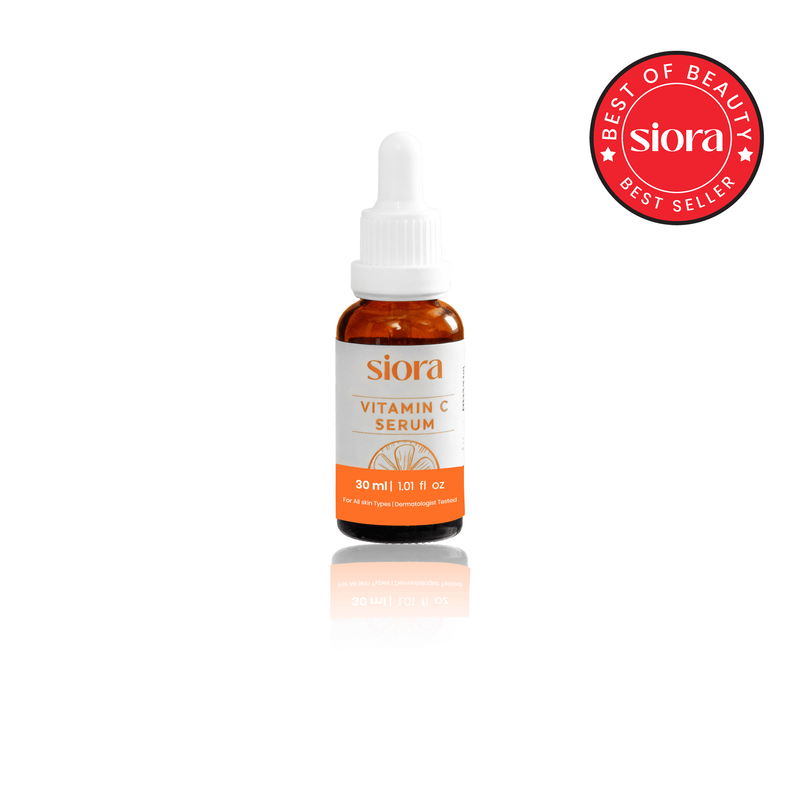
The benefit most people notice first is glow. Dull, tired-looking skin often comes from a buildup of pigment and sun exposure over the years. By slowing excess melanin production, vitamin C brightens the overall skin and gives you that lit-from-within look. If brightening is your main goal, our Vitamin C Serum (Brighten & Protect) was formulated specifically for this.
2. Fading Dark Spots and Hyperpigmentation
This is where vitamin C earns its reputation. A dark spot, whether it's a leftover acne mark, a freckle, or sun-related pigmentation, forms when the skin overproduces melanin in one area. Vitamin C can help interrupt that process, so spots gradually fade and new ones are less likely to form. Using vitamin C for dark spots takes patience, but the payoff is a clearer, more even canvas. For stubborn pigmentation, pair it with our Whitening Serum (Advanced Tone Correction & Brightening).
3. Antioxidant and Free Radical Protection
Think of vitamin C as a daily shield. Sunscreen blocks a lot of UV damage, but some free radicals still form throughout the day. Because vitamin C neutralizes free radicals, it adds a second layer of defense that helps protect your skin from the cumulative damage that leads to premature lines, dullness, and uneven texture. To protect the skin properly, vitamin C and sunscreen work as a team, not a substitute.
4. Collagen Support for Firmer Skin
Collagen is what gives young skin its plumpness, and production naturally slows as we age. Since vitamin C is essential to collagen synthesis, using a vitamin C serum supports the structure underneath your skin. Over months of use, that can mean softer fine lines, improved skin texture, and skin that simply looks healthier. Vitamin C works best here as a long-term habit rather than a quick fix.
5. Evening Out Skin Tone
Beyond individual spots, many people deal with overall unevenness, patches of redness, mild discoloration, or a complexion that just looks blotchy. Regular use of vitamin C helps even out skin tone, so your makeup goes on smoother and your bare skin looks more uniform. This combination of vitamin C serum advantages, brightening plus tone correction, is why a vitamin C serum is good for so many different concerns at once.
Vitamin C Concentration and Forms: A Quick Guide
Not all vitamin C is the same. The form and concentration affect how strong, stable, and gentle a product is. Many vitamin C formulas use pure L-ascorbic acid, while others use gentler derivatives. Here's how the common options compare.
| Form | Typical Strength | Best For | Notes |
|---|---|---|---|
| L-ascorbic acid (pure vitamin C) | 10–20% | Normal to resilient skin wanting fast, visible results | Most potent and best studied; the classic vitamin C-infused formula, can feel tingly on sensitive skin |
| Sodium ascorbyl phosphate (derivative) | 5–10% | Oily skin and acne-prone skin | Gentler, more stable; also helps calm breakouts |
| Magnesium ascorbyl phosphate (derivative) | 5–10% | Dry skin and sensitive skin | Hydrating and mild; a good starter form |
| Ascorbyl glucoside (derivative) | 5–12% | Beginners and reactive skin | Very stable, slow and steady brightening |
If you're new to vitamin C, starting around 10% lets your skin adjust. A 15–20% L-ascorbic acid formula gives stronger results once your skin is comfortable. The Siora formulation team builds our vitamin C around a stable, skin-friendly concentration so you get real potency without unnecessary irritation.
How to Apply Vitamin C Serum in Your Skin Care Routine
Knowing how to use vitamin C serum properly makes a big difference in your results. The good news: it's simple, and learning how to incorporate vitamin C into your skin care routine takes only a few extra seconds in the morning. Here's how to apply vitamin C serum step by step.
- Cleanse. Start with a clean, dry face. Pat gently; don't scrub.
- Apply your vitamin C serum. Use 3 to 4 drops and press it evenly across your face and neck. A little goes a long way.
- Let it absorb. Give it a minute to sink in before the next step.
- Moisturize. Lock everything in with your usual moisturizer.
- Finish with SPF (mornings only). This step is non-negotiable in the AM. Follow our guide to the best sunblock for every skin type to choose one you'll actually wear.
When should you apply it? Morning is ideal. Using vitamin C in the AM means its antioxidant protection is active all day, working alongside your sunscreen to help protect the skin from free radicals. You can use a vitamin C serum at night too, but most people get the most value from morning use. Whichever you choose, consistency is the real secret. Daily, consistent use over several weeks is what delivers the brightening and tone benefits, not a single application.
What to Pair (and Not Pair) With Vitamin C
One of the most common questions is whether vitamin C serums are good with other ingredients. The answer is mostly yes, with a couple of smart guidelines.
- Sunscreen (SPF). The single best partner for vitamin C. Vitamin C boosts your sun protection, and SPF protects your vitamin C investment from breaking down.
- Vitamin E. Many vitamin C formulas include vitamin E because the two work together and make each other more effective at fighting free radical damage.
- Niacinamide. Despite old internet rumors, you can combine vitamin C with niacinamide. Modern formulas pair them comfortably for brightening and a stronger skin barrier. Learn more in our guide to niacinamide serum benefits.
Use with care:
- Strong actives at the same time. Applying vitamin C alongside potent acids (like AHAs/BHAs) or retinol in the same step can overload the skin and cause irritation. The simple fix: use vitamin C in the morning and save your strongest actives for night.
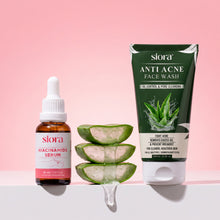
If you want to layer in oil control and pore refining, our Niacinamide Serum (Balance Oil & Refine Pores) slots in nicely alongside your vitamin C serum. For a full breakdown of how serums fit together, our pillar guide to the best face serum for glowing skin maps out the whole routine.
Vitamin C vs Niacinamide: Quick Comparison
People often ask which to choose. The honest answer is that they do different jobs, and many routines use both. Here's a quick side-by-side.
| Vitamin C | Niacinamide | |
|---|---|---|
| Main strength | Brightening, antioxidant defense, collagen | Oil control, pore refining, barrier support |
| Best for | Dark spots, dullness, sun protection | Oily skin, large pores, redness |
| When to use | Morning (before SPF) | Morning or night |
| Can you use both? | Yes. They pair well and complement each other. | |
Side Effects and Sensitive Skin
For most people, a vitamin C serum is well tolerated. Still, it helps to know what to watch for. Stronger L-ascorbic acid formulas can cause mild tingling, slight stinging, or temporary redness, especially in the first week or on sensitive skin. That usually settles as your skin adjusts.
A few simple tips keep things smooth. Patch test a new product on your inner arm or jaw for a day or two before applying it all over. Start every other morning and build up to daily use. If you have sensitive skin, dry skin, or you're acne-prone, lean toward a gentler derivative or a lower concentration rather than jumping to 20%. The right form is suitable for all skin types, so there is no need to apply a strong formula to already irritated skin. And always pair morning vitamin C with SPF, since freshly treated skin is more reactive to sun. If irritation is persistent or severe, stop and check with a healthcare professional. These are general tips, not medical advice.