

Key Takeaways
Why Hyaluronic Acid With Retinol Works So Well
These two ingredients do completely different jobs, which is exactly why they pair so well. Retinol is a vitamin A derivative (a retinoid) that speeds up skin cell turnover, stimulates collagen, and smooths the appearance of fine lines and wrinkles over time. As collagen rebuilds, skin elasticity improves and the surface looks firmer. It's one of the most proven anti-aging actives in skincare, and a dermatologist will often recommend it as a first step. The catch: retinol can leave skin dry, tight, and flaky, especially in the first few weeks.
That's where hyaluronic acid comes in. Hyaluronic acid is a humectant, which means it pulls water into the skin and holds it there. A single hyaluronic acid molecule can bind a remarkable amount of moisture, which is why hyaluronic acid can help skin look plumper and feel softer almost right away. When you use hyaluronic acid with retinol, that hydration buffers the dryness retinol causes. You get the renewal benefits of retinol with far less of the irritation.
Think of it as a division of labor. Retinol works deep, rebuilding and resurfacing. Hyaluronic acid works at the surface, keeping skin comfortable and hydrated so it can tolerate the retinol. People often ask what's the difference in a retinol vs hyaluronic acid debate, but it's the wrong question. They're not competitors. They're partners, and using hyaluronic acid and retinol together usually beats either one on its own.
The right order to apply: the sandwich method
When you combine retinol and hyaluronic acid, the order matters. The goal is to keep skin hydrated before and after the retinol so it absorbs gently. The simplest approach is the sandwich method, where you layer hyaluronic acid on both sides of your retinol serum. Here's how to do it:
- Cleanse and dry. Wash your face and pat it dry. Retinol absorbs best on dry skin, so wait a minute or two after cleansing.
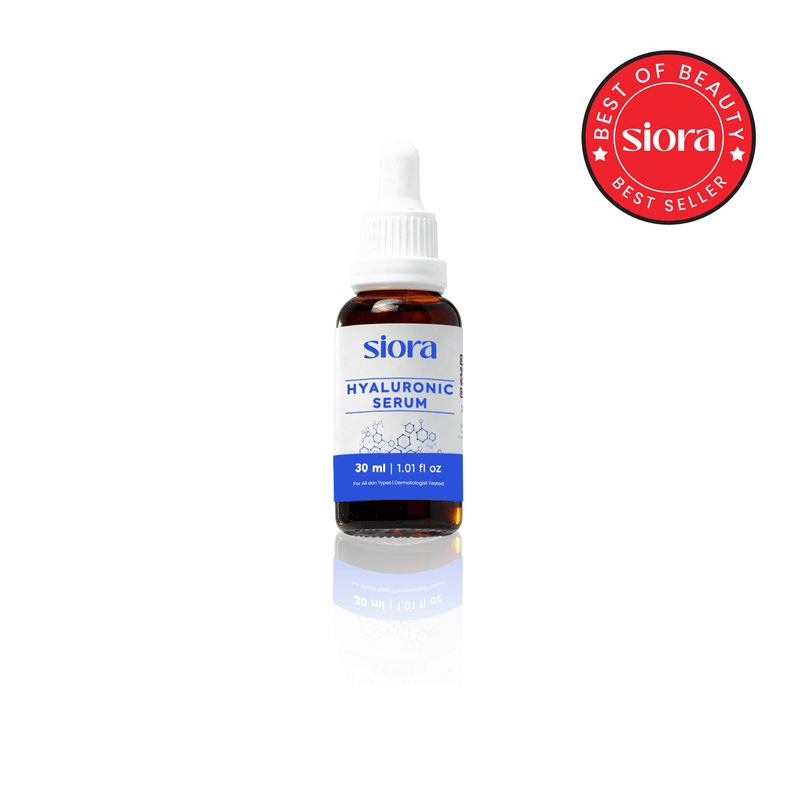
- First layer of hyaluronic acid. Apply a thin layer of Siora's Hyaluronic Acid Serum (Deep Hydration & Plumping Care) to lightly damp skin. This gives the retinol a hydrated base to sit on.
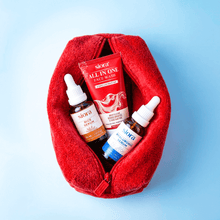
- Apply retinol. Use a pea-sized amount of Siora's Retinol Serum (Renew & Smooth) and spread it across your face, avoiding the eye area and corners of the nose.
- Second layer of hyaluronic acid. Once the retinol has absorbed, apply another light layer of hyaluronic acid serum to seal in moisture and cushion the active.
- Moisturizer. Finish with a moisturizer to lock everything in. This step is non-negotiable when you apply retinol, because it keeps the skin barrier strong.
If your skin tolerates retinol well, you can simplify: hyaluronic acid first, then retinol, then a cream on top. But the full sandwich is the gentlest way to start.
Why Hydration Comes First and Last
Hydration is the thread that holds this routine together. Bookending retinol with hyaluronic acid keeps the skin barrier supple so the active works without the tightness that scares people off. This buffering also makes the pair friendly for acne-prone skin, where over-drying can trigger more breakouts, not fewer.
Choosing the Right Moisturizer to Seal It In
The final moisturizer is what locks the hydration in place. Pick a moisturizer with a strong barrier blend, and if you want an extra calming agent, look for one that includes niacinamide, another pairing that sits comfortably alongside retinol and helps with redness and dark spots over time.
AM vs PM: when to use each one
Timing is one of the most common questions when people use hyaluronic acid and retinol. The short version: retinol at night, hyaluronic acid whenever you like.
Retinol is a PM ingredient. Sunlight breaks retinol down and makes it less effective, and retinol also makes skin more sensitive to the sun. So you apply retinol at night, every other night to start, then build up frequency as your skin adjusts. Many people do well starting with a lower strength, such as retinol 0.3, before moving up. A 0.3 percentage is gentle enough for most beginners.
Hyaluronic acid works AM and PM. Because it's just a humectant, hyaluronic acid is safe morning and night and plays well with everything. Use a hyaluronic acid serum in your morning routine to keep skin hydrated through the day, and again at night as part of your retinol layering.
Don't skip SPF. In the morning, always finish with a broad-spectrum sunscreen. A daily sunscreen protects the new skin retinol reveals and prevents the sun damage that undoes its anti-aging work. If you'd like the full picture on starting out, our retinol serum beginner's guide walks through frequency and strength step by step.
Layering Vitamin C With This Routine
You can use vitamin C in the morning and retinol at night, but don't pile vitamin C, salicylic acid, and retinol into the same routine without easing in. Hyaluronic acid, by contrast, is the safe constant you can keep in both routines.
Who benefits most from this combo
Pairing retinol with hyaluronic acid suits a wide range of skin types, and it's one of the easiest upgrades you can make to a basic skin care routine. A few groups get the most out of it.
- Dry skin: If retinol has dried you out before, adding hyaluronic acid is the fix. The extra hydration keeps dry skin comfortable while the retinol does its work.
- Anyone starting an anti-aging routine: If your main concern is fine lines, wrinkles, and loss of firmness, retinol plus hyaluronic acid is a strong, simple foundation. Retinol targets the lines; hyaluronic acid plumps and hydrates.
- Sensitive or reactive skin: The hydration buffer means less irritation, so people who couldn't tolerate retinol alone often handle it fine when sandwiched with hyaluronic acid.
- Mature, aging skin: As collagen production naturally slows with age, the retinol-and-hyaluronic-acid pair helps improve skin texture and bounce on two fronts at once.
If hydration is your only goal and you're not ready for an active, a dedicated hyaluronic acid routine is a great starting point. Our pick of the best hyaluronic acid serum covers what to look for. And if you want a single product to handle moisture, the Siora Hyaluronic Acid Serum is an easy first step before you add retinol.
Common mistakes to avoid
The combo is simple, but a few habits trip people up. Here's what to watch for:
- Using too much retinol too soon. More isn't better. A pea-sized amount two or three nights a week is plenty at the start. Overdoing it causes the exact dryness and irritation you're trying to avoid.
- Applying hyaluronic acid to bone-dry skin in a dry room. Hyaluronic acid pulls water from wherever it can. On damp skin it hydrates; on dry skin in low humidity it can pull moisture out. Apply it to slightly damp skin and always seal with a moisturizer.
- Skipping moisturizer. Hyaluronic acid attracts water, but it needs a moisturizer on top to lock it in. Without that seal, the hydration evaporates.
- Forgetting SPF. Retinol makes skin sun-sensitive. No SPF means more irritation and undone anti-aging results.
- Quitting too early. Retinol takes time. Effects of retinol on fine lines and wrinkles show up over 8 to 12 weeks of consistent use, not days. Stick with it.
Get those right and the retinol-and-hyaluronic-acid duo becomes one of the most reliable steps in your skincare routine for smoother, more hydrated, younger-looking skin.