

Key Takeaways
What Retinol Is?
Retinol is a vitamin A derivative, part of the wider retinoid family used in skin care for decades. It is one of the most studied ingredients for signs of ageing, and an over-the-counter retinol is the gentler cousin of prescription-strength retinoids. So what does retinol do once it reaches your skin? It converts into retinoic acid, the active form your skin cells can use, and that single step sets off most of the effects of retinol you read about.
Two of those effects matter most. First, retinol increases cell turnover, prompting your skin to clear away dead skin cells faster and bring fresh ones up. Second, it signals deeper layers to ramp up collagen production, the protein that keeps skin firm. That is how retinol works to refresh the surface while supporting structure underneath. A serum is the ideal vehicle: thin and concentrated, it carries the active deeper than a heavy retinol cream usually can.
The Core Benefits of Retinol Serum
This is where the ingredient earns its reputation. These benefits of retinol serum are backed by well-established research and years of dermatological use. Here is what a retinol serum helps with, concern by concern.
1. Softening Signs of Ageing: Fine Lines and Wrinkles
The headline retinol benefit is its effect on signs of ageing. Because retinol increases collagen production, it gradually plumps the skin from within and helps reduce fine lines and wrinkles. It will not erase a deep wrinkle overnight, but with consistent use it visibly smooths the finer lines around the eyes and mouth and improves skin elasticity.
2. Smoothing Skin Texture
By speeding up how quickly you shed dead skin cells, retinol leaves the surface noticeably smoother. Rough patches and that dull, tired look tend to ease as new skin cells reach the top. This is one of the most reliable ways retinol helps improve skin texture, restoring the soft, even feel people associate with radiant skin.
3. Evening Out Skin Tone
Faster turnover also helps fade pigment that sits near the surface, so retinol corrects uneven skin tone over weeks of use. Sun spots, post-acne marks, and patchy areas slowly blur into a more uniform colour. If brightening is your main goal, retinol is one of the most reliable actives for the job.
4. Clearing and Reducing Acne
Retinol keeps the lining of your pores from clogging with oil and debris, which is exactly how it helps clear acne. For acne-prone skin, that means fewer blackheads and breakouts forming in the first place. Over time it can also soften the look of acne scars left behind, so it works on active breakouts and their aftermath at once. That dual action is a big reason retinol shows up in so many routines built to reduce acne.
5. Refining Enlarged Pores
Pores look larger when they are stretched by trapped oil and debris. By keeping them clear, retinol helps pores read as smaller and tighter, so the surface looks more refined. It is a quieter benefit than the others, but one many people appreciate once their skin settles.
How Long Retinol Takes to Work
Retinol rewards patience more than almost any other active. The first few weeks can look worse before they look better, as faster turnover pushes congestion to the surface in what is often called purging. Knowing the timeline up front keeps you from quitting right before the benefits arrive. Here is a realistic schedule with consistent use.
| Timeframe | What Is Happening | What You Notice |
|---|---|---|
| Weeks 2 to 4 | Cell turnover speeds up and brings underlying congestion to the surface (purging). Skin may feel dry or flaky. | Possible breakouts, mild dryness, and tingling. This settles, so do not stop. |
| Week 8 | Skin has adjusted and surface renewal is steady, clearing dead skin cells more efficiently. | Smoother skin texture, a softer feel, and a brighter, more even look. |
| Week 12 and beyond | Collagen production has had time to build in deeper layers of the skin. | Softer lines, firmer skin, and a more even tone. |
The pattern is consistent across skin types: early adjustment, then steady texture gains, then the deeper anti-ageing payoff. The single biggest predictor of best results is sticking with it, since retinol benefits compound only with consistent use. For a step-by-step starting plan, see our retinol serum beginners guide.
Choosing a Strength for Your Skin Type
With retinol, more is not better, especially early on. A high percentage of pure retinol will not speed up your results; it will usually just irritate your skin and make you want to quit. Start low, let your skin adapt, and increase only if you tolerate it well. Different types of retinol and concentrations suit different stages, so match the strength to your skin type and where you are in your retinol use.
Matching Strength to Skin Type
Your skin type shapes how quickly you can build up. Dry and sensitive skin usually does best easing in at the lowest strengths, while combination skin tends to tolerate the middle range comfortably. Oily and acne-prone skin can often handle higher concentrations sooner, which suits the breakout-clearing side of retinol. Whatever your skin type, slow and steady retinol use wins over rushing the percentages.
| Strength | Best For | What to Expect |
|---|---|---|
| 0.1% to 0.3% | Beginners, sensitive skin, dry skin | A gentle way to introduce retinol with minimal irritation. The right place to start. |
| 0.3% to 0.5% | Most skin types after a few weeks of adjusting | A solid everyday range that balances real benefits with comfort. |
| 0.5% to 1% | Experienced users with resilient, oily, or acne-prone skin | Stronger and faster, but a higher chance of dryness and flaking. |
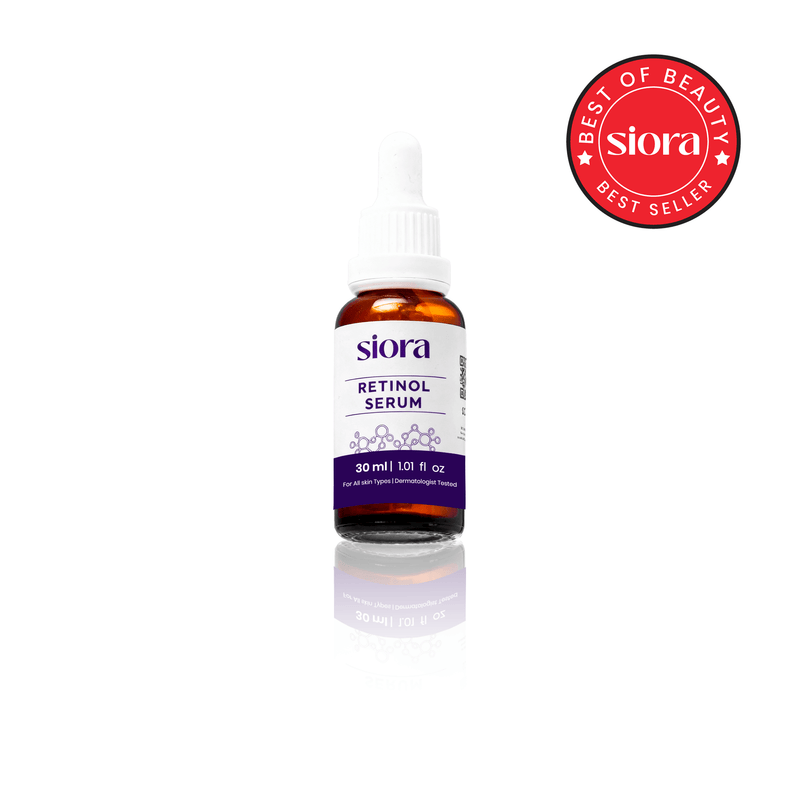
Siora's formulation team built our Retinol Serum (Renew, Smooth) in this beginner-friendly range so you can introduce retinol without overwhelming your barrier. At Rs 1,690, it is a low-risk way to start; use it 2 to 3 times a week to begin with before building up.
How to Apply Retinol Serum Safely
Knowing how to apply retinol serum well separates smooth progress from a flaky start. Retinol is powerful, so a little structure keeps your skin comfortable as it adapts and works toward nightly use.
- Start slow. Apply retinol just 2 to 3 times a week at first. Once your skin is comfortable, you can use retinol serum more often, working up to nightly use if you tolerate it.
- Use it at night. Retinol breaks down in sunlight and makes skin more sensitive, so it belongs in your evening routine. Cleanse, pat dry, then apply retinol to dry skin.
- Buffer with hyaluronic acid. If your skin feels tight, layer a hyaluronic acid serum first to cushion it. Hyaluronic acid draws in water and offsets the dryness retinol can cause, a pairing that suits dry skin and sensitive skin especially well.
- Less is more. A pea-sized amount covers the whole face. Piling on more retinol will not improve results; it only raises the risk of irritation.
- Always finish with SPF in the morning. This step is non-negotiable. Retinol makes your skin more vulnerable to sun, and new sun damage undoes the gains you are working for. Daily sunscreen protects your progress, so see our guide to the best sunblock for every skin type to pick one that sits well over actives.
For a fuller walkthrough of timing and layering, read our dedicated guide on how to use retinol serum.
Side Effects of Retinol and Who Should Avoid It
The side effects of retinol are usually mild and temporary, especially when you start low and go slow. In the first few weeks you may notice dryness, flaking, redness, or mild stinging. These effects of retinol typically settle as your skin builds tolerance, and regular use of retinol becomes far more comfortable once that adjustment passes. Buffering with hyaluronic acid, using a gentle cleanser, and not over-applying all help keep irritation to a minimum.
That said, retinol is not for everyone.
Pregnancy and breastfeeding: If you are pregnant, planning a pregnancy, or breastfeeding, avoid retinol and other vitamin A derivatives. Retinoids are not considered safe to use during pregnancy, so speak with your doctor about a pregnancy-safe alternative before continuing.
Beyond pregnancy, anyone with very reactive skin, active eczema, or rosacea should introduce retinol cautiously and ideally check with a professional first. If your skin is sensitive, patch test on your inner arm for a couple of days before applying retinol to your whole face. For most people, though, retinol is a low-risk, high-reward addition to a routine focused on long-term skin health.